how-to
How Long Does a Home Energy Audit Take
Table of Contents
- How Long Does a Home Energy Audit Take
- How to Prepare for an Energy Audit
- What Happens During a Blower Door Test
- The On-Site Inspection Process
- Home Energy Audit Cost and Value
- After the Audit: Report and Next Steps
- Virtual vs. In-Person Audits
- Conclusion
Last Updated: August 30, 2026
How Long Does a Home Energy Audit Take
A home energy audit typically takes between 2 and 4 hours for most residential properties, depending on your home's size, age, and complexity. Understanding what happens during a home energy audit helps you plan your day and maximize the value of the energy advisor's time on-site. At Timeless General Contracting, we know that preparation and realistic expectations make all the difference.
A rushed assessment misses critical details about your building envelope, air leakage patterns, and HVAC performance. Knowing what to expect means you can ask better questions and understand exactly why certain retrofit recommendations make sense for your specific property.
Typical Duration by Property Type
A small bungalow or townhouse typically requires 2 to 2.5 hours for a thorough home energy audit. A mid-sized single-family home (1,500 to 2,500 square feet) usually takes 3 to 3.5 hours. Larger homes, additions, or properties with complex layouts may require 4 hours or longer. Multi-story homes, finished basements, or houses with multiple HVAC zones demand more thorough assessment.
Factors That Affect Assessment Duration
The age of your home significantly impacts audit length. Older homes built before modern building codes often have more air leakage points and inconsistent insulation levels. Newer homes constructed within the last 10 years typically proceed faster because they have fewer variables to investigate.
Home condition matters considerably. A well-maintained property with recent upgrades moves through the assessment more quickly than a home with deferred maintenance or unclear renovation history. The complexity of your HVAC system also affects duration, a single furnace takes less time to evaluate than multiple heating zones or heat pumps.
Weather conditions can extend the on-site inspection. Cold, windy, or wet days may complicate the blower door test setup or thermal imaging accuracy. Some energy advisors reschedule in severe weather to ensure reliable results.
How to Prepare for an Energy Audit
Proper preparation ensures your energy advisor can work efficiently and gather accurate data. Clearing pathways, providing access to key areas, and having relevant documents ready eliminates delays.
Pre-Audit Preparation Checklist
- Clear pathways to your attic, basement, and crawl space
- Remove items blocking exterior walls, especially in the basement or foundation area
- Ensure access to your electrical panel, furnace, water heater, and HVAC equipment
- Locate and have ready your past 12 months of utility bills (gas and electricity)
- Identify any known air leakage points, drafts, or comfort issues
- Write down any recent renovations, repairs, or energy upgrades you've completed
- Note any moisture problems, condensation, or mold concerns
- Disable any whole-house fans or exhaust systems before the blower door test begins
- Ensure interior doors can be opened freely
- Have a list of any appliances or systems you're concerned about or plan to replace
Creating Access for the Energy Advisor
Your energy advisor needs unobstructed access to your attic, basement, and crawl space to inspect insulation depth, air sealing quality, and ventilation. If your attic access is blocked by storage, clear it completely beforehand. Similarly, basement and crawl space inspection requires the ability to move freely and examine rim joists and foundation cracks.
Exterior access matters too. The technician will inspect your building envelope from the outside, looking for gaps, cracks, and deterioration around windows, doors, and utility penetrations. Ensure landscaping doesn't block these areas. Document the location of your electrical panel, furnace, water heater, and air conditioning unit before the audit begins.
What Happens During a Blower Door Test
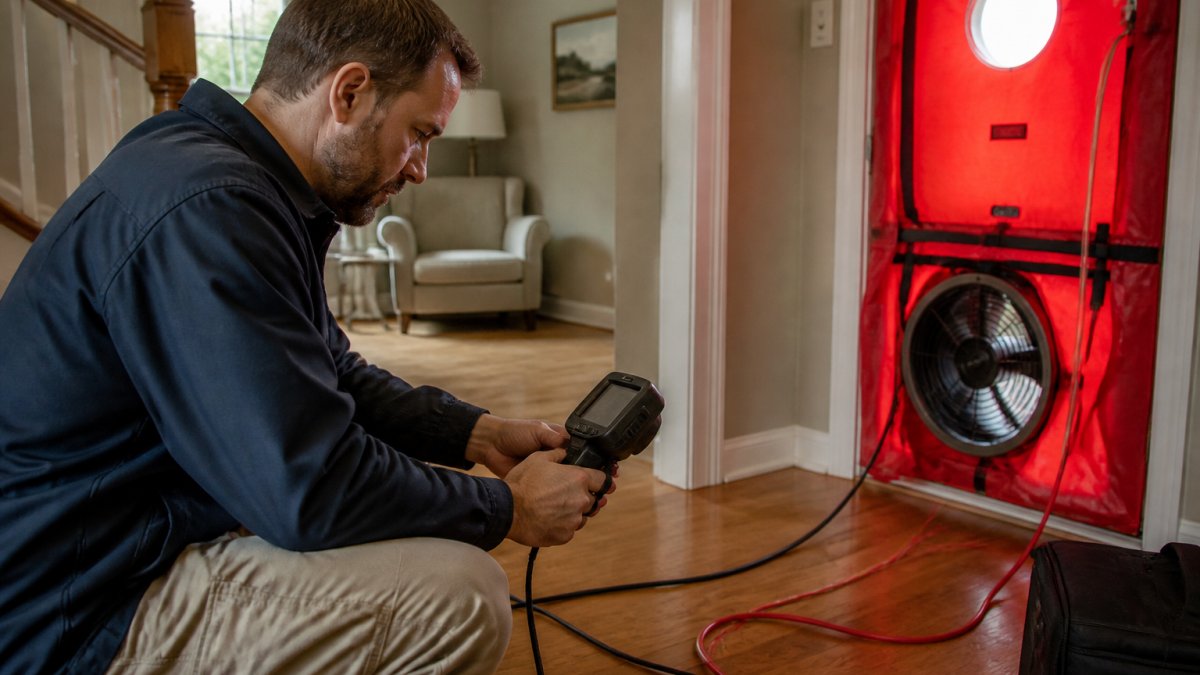
The blower door test is the centerpiece of any residential energy audit. This diagnostic tool measures your home's air leakage by creating a pressure difference between inside and outside, quantifying how much conditioned air escapes through cracks, gaps, and unintended openings in your building envelope.

How the Test Measures Air Leakage
The energy advisor installs a calibrated fan in one of your exterior doors or a window opening. The fan pulls air out of your home, lowering the interior pressure. As air pressure drops, outside air is drawn in through every crack, gap, and opening in your building envelope. The fan measures the airflow required to maintain a specific pressure difference, usually 50 pascals.
The result is expressed as Air Changes per Hour at 50 pascals (ACH50). A lower ACH50 number means tighter construction and less air leakage. Modern, well-sealed homes typically achieve 3-5 ACH50. Older homes often exceed 10-15 ACH50, indicating substantial air leakage.
During the test, the energy advisor may use smoke pens or thermal imaging to visualize where air leaks are occurring. Smoke reveals the direction of air movement around windows, doors, electrical outlets, and other penetrations.
Why This Step Matters for Your Home
Air leakage directly impacts your heating and cooling costs. Every bit of conditioned air that escapes means your furnace or air conditioner must work harder to maintain comfort. The blower door test identifies which areas of your building envelope need sealing, allowing you to prioritize work by impact and budget rather than guessing where to invest in air sealing.
The On-Site Inspection Process
Beyond the blower door test, your energy advisor conducts a detailed visual inspection of your entire home, examining insulation levels, checking HVAC performance, assessing ventilation, and documenting the condition of your building envelope. The on-site inspection typically consumes 60-90 minutes of your total audit time.

Thermal Imaging and Building Envelope Assessment
Thermal imaging reveals temperature differences across your walls, ceilings, and floors that indicate insulation gaps or air leakage. The thermal camera displays these differences as color gradients, cooler areas appear blue or purple, warmer areas appear red or yellow. The energy advisor documents thermal images of key areas: exterior walls, attic access points, rim joists, basement rim board, and around windows and doors.
Insulation inspection focuses on depth and continuity. The technician measures attic insulation depth and notes whether coverage is complete or patchy. Gaps in attic insulation are common around eaves and mechanical penetrations. The basement or crawl space receives similar scrutiny, as rim board insulation and foundation wall conditions directly affect your home's thermal performance.
HVAC and Ventilation Evaluation
Your furnace, air conditioner, and ventilation systems receive hands-on assessment. The energy advisor checks thermostat operation, ductwork sealing, and filter condition. Many homes have significant duct leakage, wasting energy before air reaches living spaces.
Ventilation assessment examines whether your home has adequate fresh air intake and exhaust capacity. The advisor checks for combustion safety issues in homes with gas furnaces or water heaters, ensuring proper venting and adequate fresh air supply prevent dangerous carbon monoxide accumulation.
Home Energy Audit Cost and Value
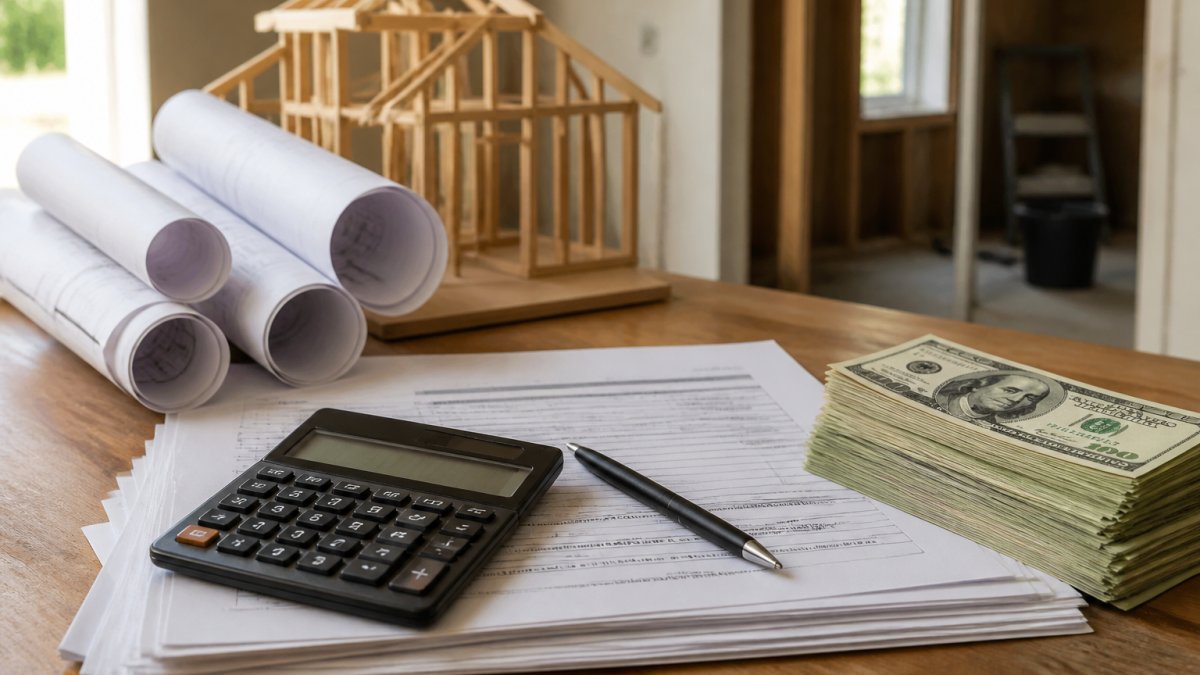
Understanding what a home energy audit costs and what value it delivers helps you make an informed decision. The investment in a professional assessment typically ranges based on your home's size and depth of analysis, but the insights you gain far exceed the assessment fee when you act on the recommendations.
What You Pay and What You Get
A comprehensive residential energy audit includes the blower door test, thermal imaging, HVAC evaluation, insulation assessment, and a detailed written report with retrofit recommendations prioritized by impact and cost-effectiveness. You receive a professional energy rating that quantifies your home's current performance and projects potential savings from recommended upgrades.
The report typically includes estimated energy savings for each recommendation, payback periods, and information about available rebates or incentive programs. This data allows you to plan your retrofit strategy systematically.
Rebate Eligibility and Energy Savings Potential
Many provinces and utilities offer rebates or incentive programs for energy efficiency upgrades. A professional energy audit often qualifies you for these programs and provides the documentation required to claim rebates. Common retrofit recommendations include attic insulation upgrades, basement rim board sealing, window replacement, furnace or heat pump installation, and ductwork sealing. Attic insulation improvements might reduce heating costs by 10-15%, while comprehensive air sealing and HVAC upgrades could deliver 20-30% overall energy savings (peer-reviewed research).
After the Audit: Report and Next Steps
Your energy audit report is the roadmap for improving your home's performance. A quality report prioritizes recommendations by impact, provides cost estimates, and explains technical findings in clear language. The report typically arrives within 5-10 business days of your on-site inspection.
Understanding Your Energy Rating
Your energy rating quantifies current performance and projects performance after recommended upgrades are completed. Common rating systems include EnerGuide ratings (used in Canada). Understanding these components helps you prioritize which upgrades deliver the most value.
Prioritizing Retrofit Recommendations
Not every recommendation needs to happen simultaneously. Your energy advisor typically prioritizes work by impact-to-cost ratio. High-impact, lower-cost measures (like air sealing and weatherstripping) often come first. Mid-range investments (like insulation upgrades) follow. Major system replacements (like furnace or window upgrades) are typically planned for when components reach end-of-life.
This phased approach allows you to spread costs over time while making meaningful progress toward your energy efficiency goals. At Timeless General Contracting, we help homeowners plan renovation sequencing so energy upgrades integrate naturally with other work.
Virtual vs. In-Person Audits
Virtual or remote energy audits have emerged as an option for initial consultations or preliminary assessments. However, they have significant limitations compared to in-person audits and cannot replace a full on-site evaluation.
A virtual audit typically involves a video call where you walk the energy advisor through your home using your phone or tablet camera. This approach provides general guidance but cannot measure air leakage, conduct thermal imaging, or inspect attic insulation depth accurately.
Virtual audits work best as a preliminary screening to determine whether a full in-person audit makes sense for your situation. However, if you're serious about planning energy efficiency upgrades, an in-person audit with blower door testing and thermal imaging is essential. The detailed data you receive justifies the time investment and allows you to make confident decisions about retrofit work.
A home energy audit is an investment in understanding your property's performance and planning improvements strategically. The 2-4 hour time commitment delivers data that guides decisions for years to come. Whether you're planning attic insulation upgrades, air sealing work, or a comprehensive renovation, an energy audit clarifies priorities and connects your improvements to measurable savings. Timeless General Contracting works with homeowners to translate audit findings into high-performance renovations that deliver lasting value and comfort. Learn more about energy efficiency standards from Natural Resources Canada to understand how your home's rating compares to current building code requirements.
| Audit Component | Typical Duration | What It Measures |
|---|---|---|
| Blower door test | 45-60 minutes | Air leakage (ACH50) and pressure testing |
| Thermal imaging | 30-45 minutes | Temperature differences and insulation gaps |
| HVAC evaluation | 20-30 minutes | Furnace, AC, ductwork, and ventilation performance |
| Attic and basement inspection | 30-45 minutes | Insulation depth, air sealing, moisture conditions |
| Report and recommendations | Completed off-site | Prioritized retrofit list with cost-benefit analysis |
Frequently Asked Questions
How long does a home energy audit take for a townhouse?
A townhouse typically requires 2 to 2.5 hours. These properties have fewer square feet and simpler HVAC systems than single-family homes, which simplifies the assessment.
Can I stay home during the audit?
Yes, you should stay home. Your presence allows you to ask questions, point out comfort issues or known problem areas, and discuss your renovation plans with the energy advisor.
What if my home has a complex layout or recent additions?
Additions, finished basements, or homes with multiple heating zones may require 4 hours or longer. Communicate your home's unique features when scheduling so the energy advisor can allocate sufficient time.
Will the blower door test damage my home?
No. The blower door fan creates a controlled pressure difference but doesn't force air forcefully through your home. The test is non-invasive and safe for all building materials and systems.
How soon after the audit will I receive my report?
Most energy advisors deliver reports within 5-10 business days. The report includes detailed findings, thermal images, air leakage measurements, and prioritized retrofit recommendations with estimated costs and savings.
Frequently Asked Questions
What should I expect from a home energy audit?
A home energy audit involves a comprehensive on-site inspection where an energy advisor examines your building envelope, HVAC system, insulation levels, and air leakage points. The technician uses tools like thermal imaging and blower door tests to identify where your home is losing energy. You'll receive a detailed energy audit report with findings, an energy rating, and prioritized retrofit recommendations. Most audits take 2-4 hours depending on your home's size and complexity.
How do I prepare for an energy audit?
Clear pathways to your attic, basement, and crawl spaces so the energy advisor can inspect insulation and building envelope details. Ensure all doors and windows are accessible and unlocked. Provide utility bills from the past 12 months to help contextualize your energy consumption patterns. Make a list of any recent energy efficiency upgrades or known drafts. Remove obstacles around your HVAC system and water heater. These steps help maximize the audit's value and reduce the time needed for data collection.
What happens during a blower door test?
A blower door test measures air leakage in your home's building envelope. The technician seals a calibrated fan into an exterior doorway and creates a pressure difference between inside and outside. This reveals where drafts and air leaks occur, which the advisor can then locate using thermal imaging. The test quantifies your home's air tightness and is essential for understanding energy losses. It typically takes 30-45 minutes and is a non-invasive, safe procedure that doesn't damage your home.
How much does a home energy audit cost?
Energy audit pricing varies based on your home's size, age, and complexity. Many utility companies offer subsidized or free audits as part of energy conservation programs. Private audits typically range from a few hundred dollars and up, depending on the depth of analysis and whether advanced tools like thermal imaging are included. Check with local utility providers for available rebate programs, many cover audit costs entirely. The investment pays dividends through identifying retrofit opportunities that reduce utility bills and improve comfort.
This article was written using GrandRanker