 listicle
Top 5 Energy Efficient Upgrades for Older Homes
Table of Contents
- 1. Air Sealing and Draft-Proofing: The Foundation of Energy Efficiency
- 2. Insulation Upgrades: Maximizing Thermal Envelope Performance
- 3. Cold-Climate Air Source Heat Pumps: Heating and Cooling in One System
- 4. Energy Star Windows and Glass Packages
- 5. Smart Home Technology and HVAC Optimization
- Understanding the Home Energy Assessment Process
- Accessing Efficiency Nova Scotia Rebates and Incentives
- Why Hiring a Red Seal Contractor Matters for Energy Upgrades
- [Certification standards and quality assurance](#certification-standards and-quality-assurance)
- How professional installation protects your rebate eligibility
Last Updated: August 18, 2026
Top 5 Energy Efficient Upgrades for Older Homes
Older homes lose heat through failed air seals, settled insulation, and drafty windows. At Timeless General Contracting, we've found that the biggest energy savings come from strategic prioritization, not chasing every upgrade at once.
This guide covers the energy efficient upgrades that deliver measurable returns for older homes, ranked by real-world impact. You'll learn which upgrades work best together, how to sequence them, and how to access rebates that offset upfront costs.
Energy efficiency works as a system. Sealing air leaks without adding insulation leaves you halfway there. Installing a heat pump in a drafty home wastes its potential. The best approach pairs upgrades strategically.
| Upgrade | Priority Level | Typical Impact | Rebate Eligibility |
|---|---|---|---|
| Air sealing & draft-proofing | Tier 1 | 15-25% energy reduction | Yes |
| Attic insulation | Tier 1 | 20-30% heating savings | Yes |
| Cold-climate heat pump | Tier 2 | 40-50% heating/cooling savings | Yes |
| Energy Star windows | Tier 3 | 10-15% heating savings | Yes |
| Smart thermostat & HRV | Tier 2 | 5-10% operational savings | Partial |
1. Air Sealing and Draft-Proofing: The Foundation of Energy Efficiency
Air leaks are the hidden drain on older homes. Cracks around window frames, gaps where the foundation meets the sill, and holes for old wiring all add up. Many homeowners assume they need new insulation when the real problem is air infiltrating the envelope.
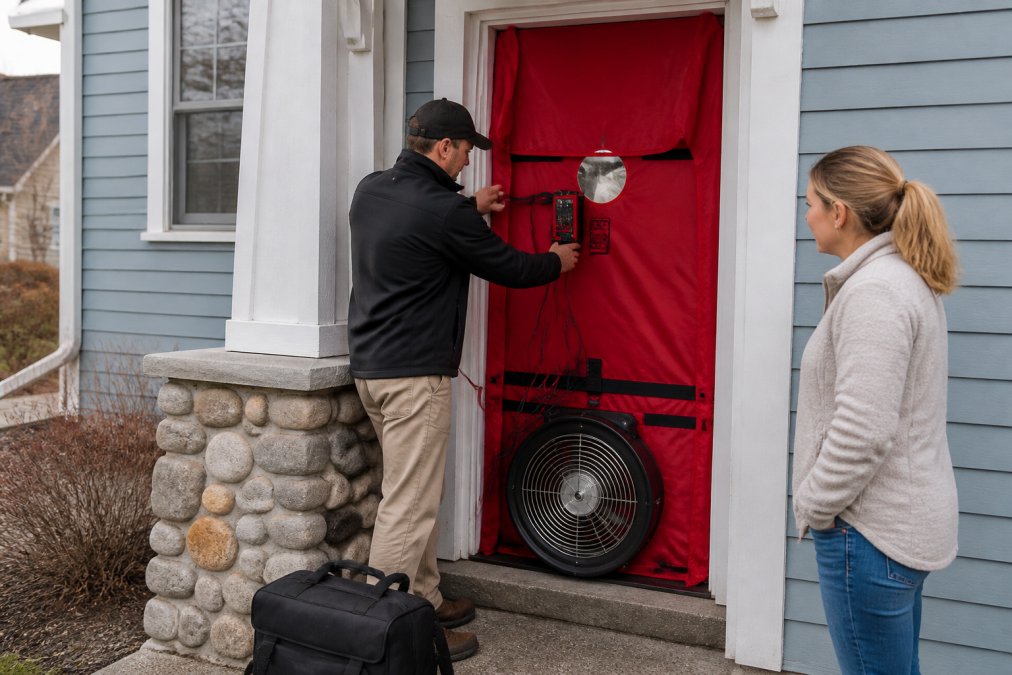
How to identify air leaks in your home
Start with a visual inspection. Look for cracked or missing caulking around windows and doors. Check basement rim joists where the foundation meets framing. Run your hand around exterior electrical outlets on a windy day to feel air movement.
The most reliable method is a blower door test. A professional seals your home, depressurizes it with a calibrated fan, and uses thermal imaging to pinpoint exactly where air escapes. A blower door test costs $200-$400 and reveals your home's air changes per hour (ACH). Older homes often run 10-15 ACH; tight new homes hit 3-5 ACH.
Professional blower door testing and sealing
After testing, a professional seals leaks using weatherstripping, caulk, and spray foam. Rim joist sealing is particularly effective, this area where the foundation meets framing is often completely unsealed in older homes. Attic bypasses (where ducts, wires, or plumbing penetrate the ceiling) are another high-impact area.
Sealing typically reduces heating costs by 15-25% and qualifies for provincial rebates. It's the cheapest upgrade per dollar of savings, making it the logical first step.
2. Insulation Upgrades: Maximizing Thermal Envelope Performance
Insulation slows heat movement. An older home with settled attic insulation and uninsulated exterior walls loses heat constantly. The thermal envelope, the boundary between conditioned and unconditioned space, is where energy efficiency lives or dies.
Attic insulation: The highest-return upgrade
Attic insulation is the single most cost-effective upgrade for older homes. Heat rises, so roughly 25-30% of heating energy escapes through the roof in an uninsulated attic. Adding insulation to R-50 or higher can cut heating costs by 20-30%.
Most older homes have minimal insulation, often less than 15 centimeters. Current guidance calls for R-50 to R-60 depending on climate zone. Blown-in cellulose or fiberglass costs less than rigid board. A typical attic retrofit costs $1,500-$3,500 before rebates and can be completed in a day.
Exterior wall and basement insulation
Exterior wall insulation addresses major heat loss but is more complex and expensive than attic work. Older balloon-framed homes with no insulation in exterior walls lose heat constantly. Adding insulation requires either opening walls from inside or working from outside with new cladding.
Basement insulation, particularly rim joists and band boards, is also high-impact and often overlooked. Insulating the rim joist alone can reduce basement heat loss by 20%. Both upgrades qualify for rebates through Efficiency Nova Scotia and Canada Greener Homes Grant.
3. Cold-Climate Air Source Heat Pumps: Heating and Cooling in One System
Modern cold-climate air source heat pumps work efficiently even at -20°C, extracting heat from outside air and moving it into your home. For older homes without ductwork, ductless mini-splits are the practical choice.
Why ductless mini-splits work for older homes
Ductless mini-splits consist of an outdoor unit and one or more indoor wall-mounted units. Each indoor head can be controlled independently. There's no need to install extensive ductwork; the refrigerant line runs through a small hole.
A high-efficiency heat pump delivers 3-4 units of heat for every unit of electricity consumed, compared to 1:1 for electric resistance heating. A single-zone mini-split costs $4,000-$6,000 installed and can reduce heating costs by 40-50% depending on your current heating method. Heat pumps also provide cooling in summer without a separate air conditioning system.
Installation considerations and ROI
Installation matters. A poorly sized or installed heat pump underperforms. The outdoor unit needs adequate clearance and sun exposure. The indoor head placement affects comfort and efficiency. A 200-amp electrical service is standard, but some older homes may need an upgrade.
Replacing oil heating with a heat pump typically pays back in 5-7 years through energy savings alone. Replacing electric baseboards takes 8-10 years, but the comfort gain justifies the investment. Heat pumps qualify for Efficiency Nova Scotia rebates and federal incentives.
4. Energy Star Windows and Glass Packages
Windows are visible, and old drafty ones feel like the obvious problem. But replacing windows is expensive, and the payback period is long compared to other upgrades.
Triple-pane windows vs. single-pane: The performance gap
Single-pane windows from the 1970s and earlier are thermal disasters. Heat flows through glass 30 times faster than through an insulated wall. Upgrading to Energy Star-certified triple-pane windows with vinyl frames reduces heat loss by 30-35% compared to old single-pane units.
However, a single replacement window costs $1,000-$2,500 installed. A home with 15 windows faces a $15,000-$37,500 project. The payback period is typically 15-20 years through heating savings alone, though windows improve comfort, reduce drafts, and add curb appeal.
Prioritizing window replacement for maximum impact
If you decide to replace windows, prioritize strategically. North-facing windows and those on exposed walls lose the most heat. Many homeowners phase replacement over several years, replacing the worst performers first. Windows qualify for Efficiency Nova Scotia rebates.
5. Smart Home Technology and HVAC Optimization
Smart technology gives you visibility and control over how your home operates. A smart thermostat learns your schedule and adjusts heating automatically. A heat recovery ventilator brings fresh air in while capturing heat from outgoing air.
Smart thermostats and heat recovery ventilators
A smart thermostat learns when you're home and away, adjusting temperature based on occupancy. Most homeowners save 5-10% on heating by automating adjustments they'd otherwise forget. A smart thermostat costs $150-$350 and installs in an afternoon.
A heat recovery ventilator (HRV) solves a problem created by air sealing: when you seal your home tight, you also trap stale air. An HRV brings in fresh outdoor air while extracting stale indoor air, capturing heat from outgoing air and transferring it to incoming air. HRVs cost $2,500-$4,000 installed and are particularly valuable in tight, well-sealed homes.
Both systems work best as part of a coordinated strategy. A smart thermostat in a drafty home with poor insulation can't overcome fundamental envelope problems. But paired with sealing and insulation upgrades, smart controls optimize the efficiency you've already built in.
Monitoring and maintaining efficiency gains
After upgrades are complete, monitor your utility bills to confirm savings. Most homes see measurable reductions within the first heating season. Maintenance is essential: change furnace filters regularly, clean HRV filters according to the manufacturer's schedule, and have heat pump systems serviced annually.
Understanding the Home Energy Assessment Process
A home energy assessment is the roadmap for any retrofit strategy. A registered energy advisor evaluates your home's current performance, identifies where energy is lost, and recommends upgrades ranked by cost-effectiveness.
What a registered energy advisor evaluates
An energy advisor starts with a blower door test, then evaluates insulation levels, windows and doors, heating and cooling systems, moisture issues, and ventilation problems. The process takes 2-3 hours and produces a detailed report.
The report includes an EnerGuide label, which rates your home's energy consumption on a scale of 0-100 (higher is better). It also includes a Renovation Upgrade Report listing recommended improvements, estimated costs, projected energy savings, and rebate eligibility for each upgrade.
EnerGuide labels and upgrade recommendations
An EnerGuide label shows current performance and projected performance if you implement recommended upgrades. The Upgrade Report prioritizes recommendations by cost-effectiveness, not magnitude of savings. It might suggest air sealing first (low cost, high return), attic insulation second (moderate cost, high return), and windows last (high cost, moderate return).
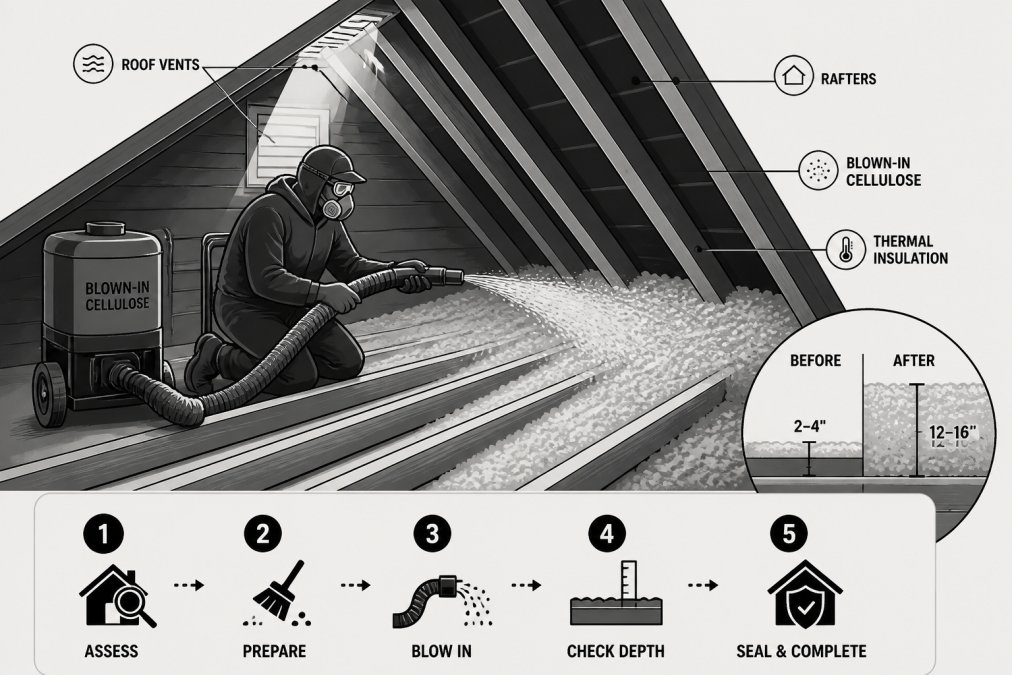
Prioritizing Your Upgrades: A Step-by-Step Roadmap
Step 1: Get a home energy assessment. A registered energy advisor provides a technical evaluation and ranked recommendations. Efficiency Nova Scotia offers assessments for $199 (fee waived for eligible moderate-income households). This investment guides every decision that follows.
Step 2: Air seal and draft-proof. Sealing air leaks is cheap, fast, and delivers immediate comfort improvement. Most homes benefit from rim joist sealing, attic bypasses, and weatherstripping. This step typically costs $1,500-$3,000 and reduces heating costs by 15-25%.
Step 3: Upgrade attic insulation. Once air sealing is complete, add insulation to R-50 or higher. This step costs $1,500-$3,500 and cuts heating costs by 20-30%. Combined with air sealing, you've addressed the two biggest sources of heat loss.
Step 4: Consider a cold-climate heat pump. If you're currently using oil or electric heating, a ductless mini-split delivers 40-50% heating savings. This is a bigger investment ($4,000-$6,000) but qualifies for rebates. The payback period is typically 5-10 years.
Step 5: Phase in windows and additional insulation. If budget remains, prioritize north-facing windows and exterior wall insulation. These improve comfort and reduce energy costs but have longer payback periods.
Step 6: Install smart controls. A smart thermostat and, if you've sealed the home tight, a heat recovery ventilator optimize your existing systems. These are relatively inexpensive and deliver measurable savings.
This sequence maximizes impact per dollar spent.
Accessing Efficiency Nova Scotia Rebates and Incentives
Rebates can offset 30-50% of upgrade costs. Understanding which upgrades qualify and how to apply is essential.
Eligible upgrades and rebate amounts
Efficiency Nova Scotia offers rebates for air sealing, insulation (attic, basement, exterior walls), heat pumps, windows, doors, and HVAC optimization. Rebate amounts vary by upgrade and are capped at $5,000 per household per program year.
The Canada Greener Homes Grant also provides rebates for similar upgrades, with a maximum of $5,000 per household. [EXTERNAL_LINK: Learn more about the Canada Greener Homes Grant | nrcan.gc.ca]
Eligibility requires using a contractor certified by Efficiency Nova Scotia or a Red Seal-certified professional. This ensures work meets building code standards and qualifies for rebates. Timeless General Contracting meets these requirements and can guide you through the rebate application process.
How to apply and timeline for receiving funds
Start with a home energy assessment from a registered energy advisor. The advisor provides an Upgrade Report listing eligible improvements. Obtain quotes from certified contractors, submit them along with the Upgrade Report to Efficiency Nova Scotia, and receive approval before starting work.
After work is complete, submit photos and documentation, and the program verifies completion. Rebate cheques typically arrive within 60-90 days.
Why Hiring a Red Seal Contractor Matters for Energy Upgrades
A Red Seal certification signals that a professional has met national standards for training, experience, and competency. For energy upgrades, this matters.
Certification standards and quality assurance
Red Seal is a federal interprovincial trade certification program. A Red Seal-certified contractor has completed apprenticeship training, passed examinations, and maintained certification through continuing education. They understand building code, building science, and proper installation techniques.
For energy upgrades, proper installation is everything. A heat pump installed by someone unfamiliar with cold-climate performance won't deliver its potential. Insulation installed unevenly leaves thermal gaps. A Red Seal contractor knows what proper work looks like and stands behind it.
Timeless General Contracting brings 25 years of experience and Red Seal certification to every project. Our Client Project Portal keeps you informed throughout the project.
How professional installation protects your rebate eligibility
Rebate programs require certified installation. Using an uncertified contractor disqualifies you from rebates, which can cost thousands of dollars. A Red Seal professional ensures your work meets rebate program standards and qualifies for available incentives.
Professional installation also means warranty protection. A licensed contractor carries liability insurance and stands behind their work.
Energy efficient upgrades transform older homes. They reduce utility bills, improve comfort, and increase property value. The sequence matters: air sealing and insulation first, then heat pumps and windows, then smart controls. Rebates offset costs significantly. Hiring a Red Seal-certified contractor like Timeless General Contracting ensures work meets standards and qualifies for incentives.
Your older home can perform like a modern, efficient home.
Frequently Asked Questions
What energy efficient upgrades offer the best return on investment for older homes?
Air sealing and attic insulation typically deliver the fastest ROI, often paying for themselves within 5-7 years through reduced utility bills. These upgrades address the largest sources of heat loss in older homes. Cold-climate air source heat pumps and triple-pane windows provide longer-term savings but require higher upfront investment. A home energy assessment identifies which upgrades will save the most energy in your specific home, helping you prioritize spending where it matters most.
How much can I save by completing Efficiency Nova Scotia rebates for energy efficient upgrades?
Rebate amounts vary by upgrade type and scope. Insulation upgrades typically qualify for rebates up to $1,200, while heat pump installations and window replacements may qualify for additional support through provincial or federal programs. A registered energy advisor can identify all eligible upgrades during a home energy assessment and estimate potential savings. Many homeowners report 20-40% reductions in heating and cooling costs after completing multiple upgrades, with rebates offsetting 20-50% of project costs depending on the work completed.
Why should I hire a Red Seal contractor instead of a general handyperson for energy efficiency work?
Red Seal contractors meet rigorous national certification standards and have proven expertise in building science, ventilation, and code compliance. This matters because improper installation of insulation, heat pumps, or ventilation systems can void warranties, reduce efficiency gains, and create moisture problems. Red Seal certification also ensures your work qualifies for provincial rebates, which often require professional installation by certified trades. For complex upgrades like air sealing, HRV systems, or heat pump installation, professional expertise protects both your investment and your home's long-term performance.
What happens during a home energy assessment, and how much does it cost?
A registered energy advisor performs a thorough evaluation from attic to basement, including a blower door test to measure air leakage, thermal imaging to detect heat loss, and inspection of insulation, HVAC systems, and building envelope. The assessment produces an EnerGuide label showing your home's energy performance and a personalized upgrade report recommending improvements. In Nova Scotia, assessments typically cost $199, though the fee can be waived for moderate-income households. The assessment is essential for accessing provincial rebates and identifying which upgrades will deliver the greatest energy savings for your home.
Are cold-climate air source heat pumps effective in older, drafty homes?
Yes, but only after you address air sealing and insulation. Modern cold-climate heat pumps like ductless mini-splits operate efficiently even in temperatures below -15°C and provide both heating and cooling. However, if your home is very drafty or poorly insulated, the heat pump will work harder and deliver smaller savings. The most effective approach is to first seal air leaks and upgrade insulation to improve your home's thermal envelope, then install a heat pump. This sequence maximizes efficiency and ensures the heat pump operates at its intended performance level.
This article was written using GrandRanker