 listicle
Best Custom Home Construction Portal Software
Table of Contents
- What Makes a Custom Home Construction Portal Essential
- Timeless General Contracting: Red Seal Certified With Real-Time Portal
- How to Manage Custom Home Budget With Software Tools
- Construction Project Management Software for Custom Homes
- Client Communication Tools for Contractors
- Key Portal Features Every Custom Home Builder Needs
- Conclusion
- Frequently Asked Questions
Last Updated: September 24, 2026
What Makes a Custom Home Construction Portal Essential
A custom home construction portal transforms how builders and homeowners communicate throughout a project. It centralizes project updates, budgets, timelines, and documents in one accessible location, eliminating the frustration of scattered emails and missed communications.
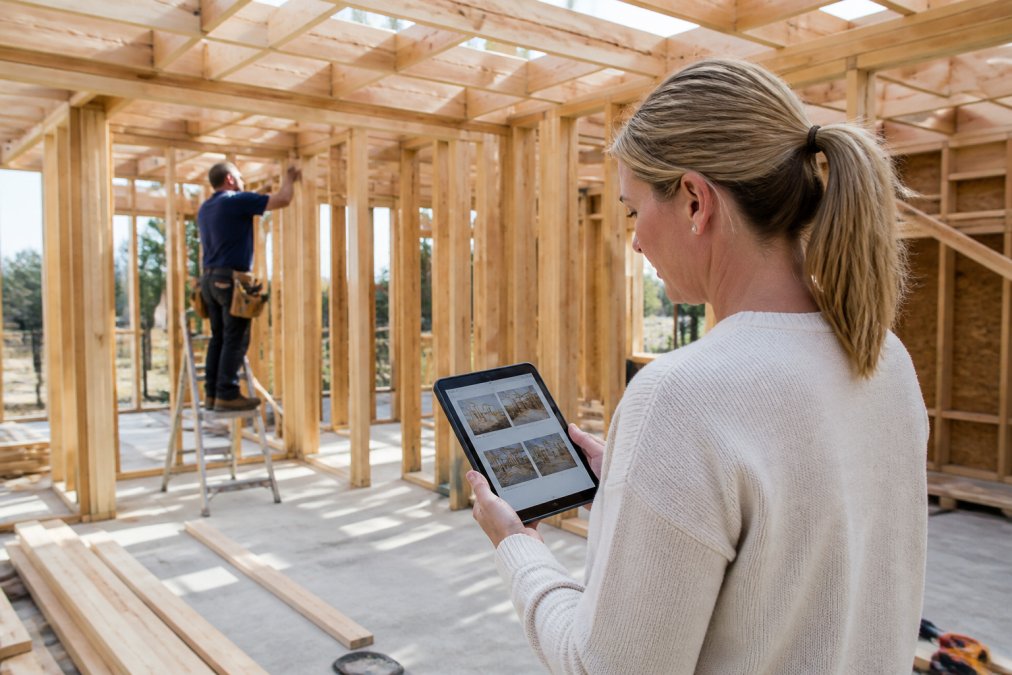
The difference between a successful custom build and a stressful one comes down to transparency. Real-time progress tracking, visible budget changes, and accessible documents build trust and prevent costly misunderstandings.
Timeless General Contracting's Client Project Portal eliminates communication gaps that create anxiety and costly misunderstandings. With 25 years of industry experience and Red Seal certification, we've designed the portal to address the specific challenges of custom builds.
Timeless General Contracting: Red Seal Certified With Real-Time Portal
Timeless General Contracting integrates portal transparency into core operations. Our Client Project Portal provides real-time visibility while Red Seal certification ensures work meets federal construction standards.
Our portal tracks daily progress, budget status, change orders, and document approvals in one unified system. Homeowners check project status from any device, eliminating time-draining emails and phone calls.
Our 25 years of experience means we understand regional custom build challenges, prevent scope creep, and meet federal construction standards through Red Seal certification.
The portal is mobile-friendly with automatic notifications. Change orders, budget updates, and schedule shifts appear immediately with clear explanations.
How to Manage Custom Home Budget With Software Tools
Budget management is where most custom home projects derail. The right custom home construction portal software prevents cost creep by making every financial decision visible and tracked.
A solid budget management system automatically matches subcontractor invoices against estimates, flags overages, and updates the project budget in real-time, preventing hidden cost overruns.
The portal should make change orders transparent: what's changing, why, the cost, and timeline impact. When homeowners see financial consequences upfront, they make smarter choices.
Migrating From Spreadsheets to Software
Moving from spreadsheets to portal software requires planning to avoid losing data or creating duplicate entry work.
Before migration, audit your current system and create a master list of cost categories, trade names, and line items from recent projects to map into the new software.
Run both systems in parallel for one project cycle (4-6 weeks) to let your team learn the new interface while maintaining a backup.
Use bulk CSV imports rather than manual entry. Test with a small subset first to catch formatting issues before uploading everything.
Archive completed projects in a separate read-only section to keep the active portal clean while preserving historical reference data.
Integrating With Accounting Software
Integrating accounting software with the portal keeps actual costs aligned with projections and eliminates guesswork.
Choose portal software that integrates with QuickBooks Online or Sage 50, syncing purchase orders automatically and flagging invoice discrepancies immediately.
Standardize cost codes between portal and accounting software before going live to ensure accurate integration.
When systems integrate, the portal shows actual spend versus projected spend in real-time, letting you catch overruns while adjustments are still possible.
Construction Project Management Software for Custom Homes
Construction project management software for custom homes must handle detailed timelines, multiple trade coordination, and constant decision-making that generic tools don't support.
The best platforms combine scheduling, resource allocation, and communication. Your team should identify conflicts before they happen and adjust timelines without creating downstream chaos.
Field teams need a mobile app to log work, flag issues, and upload photos. This real-time data feeds to the homeowner's portal, keeping everyone current.
Document control must organize architectural changes, approvals, permits, and inspection reports with version control so approvals can be verified instantly.
Client Communication Tools for Contractors
Client communication tools should make regular updates automatic and professional, reducing homeowner anxiety.
Scheduled notifications (e.g., weekly updates) reduce calls and build confidence through consistent communication.
A messaging hub keeps all homeowner questions and answers in one searchable thread, creating a clear record for dispute resolution.
Daily progress photos organized by room help homeowners understand scope and feel the project moving forward.
Designing the Homeowner Portal Experience
The best portals separate contractor and homeowner views entirely, since homeowners are non-technical users who need to understand complex information quickly.
The homeowner dashboard should show three things immediately: project status (on schedule, at risk, or behind), budget status (under, on, or over), and the next major milestone. Everything else should be one click away, not visible by default. Homeowners don't need to see RFI tracking, submittal logs, or resource allocation; those are contractor concerns. They need to know "Is my house on track and on budget?"
Organize information by room or system, not by trade. A homeowner cares about "Kitchen" and "Master Bathroom," not "Electrical Phase 2" or "Mechanical Rough-In." When the portal shows progress organized the way the homeowner thinks about their home, navigation becomes intuitive. Photos should be tagged by location so homeowners can follow the transformation of their kitchen from framing to cabinet installation to final finishes.
Budget information needs translation. Contractors understand line items and cost codes; homeowners understand categories like "Flooring," "Countertops," and "Appliances." The portal should display budget in homeowner language, with a simple visual indicator (green for under budget, yellow for on budget, red for over) next to each category. When a homeowner sees their flooring budget is red, they immediately understand they've spent more than planned and can ask why.
Change order presentation is critical. Rather than showing a technical change order form, present it as a simple question: "You've requested upgraded tile in the master bathroom. This will add $3,200 to your project and delay completion by three days. Do you approve?" Include a photo of the upgraded tile so the homeowner understands what they're paying for. One-click approval is far better than requiring signatures and formal documentation at this stage.
Mobile-First Design for On-Site Access
Homeowners want to check their project progress from the job site itself. A portal that requires a desktop computer or tablet is less useful than one optimized for smartphones. Mobile-first design means the interface works perfectly on a small screen, not just on a larger laptop.
Key mobile features include: large, tappable buttons (not tiny links), photos that load quickly on cellular networks, and offline access to critical documents.
Key Portal Features Every Custom Home Builder Needs
A custom home construction portal must include specific features that address the unique demands of custom builds. Generic project management software often falls short because it wasn't designed for residential construction workflows.
| Feature | Why It Matters | Best For |
|---|---|---|
| Real-time budget tracking | Prevents cost surprises and scope creep | All custom builds |
| Document control | Keeps approvals and plans organized and accessible | Complex projects with multiple trades |
| RFI/submittal tracking | Manages decisions and approvals systematically | Projects with custom selections |
| Mobile field reporting | Captures daily progress and issues immediately | Coordinating multiple trades |
| Change order management | Documents decisions and costs transparently | Preventing budget disputes |
| Client portal access | Keeps homeowners informed without constant calls | Building trust and confidence |
| Accounting integration | Aligns actual costs with projections in real-time | Budget management and forecasting |
Conclusion
The best custom home construction portal software combines transparency, ease of use, and strong financial management into one system. For most custom home builders and homeowners, the difference between a smooth project and a stressful one comes down to whether everyone can see the same information at the same time.
Frequently Asked Questions
What features should a custom home construction portal include?
A quality custom home construction portal should include real-time project status updates, document storage and sharing, change order tracking, budget visibility, photo galleries from the job site, and messaging between homeowner and contractor. Mobile access is critical so you can check progress from anywhere. The portal should also display timelines, schedule changes, and allow you to approve selections and sign off on work phases without delays.
How does construction management software improve project transparency?
Construction management software creates a single source of truth for all project information. Instead of waiting for phone calls or emails, homeowners see real-time updates, daily logs, and photos uploaded by the field team. Contractors can track budget spend, flag change orders immediately, and document decisions in one place. This reduces misunderstandings, prevents scope creep, and ensures both parties stay aligned on progress and costs throughout the build.
Is construction portal software worth the investment for small builders?
Yes, especially for custom home builders. Portal software reduces administrative overhead, prevents costly miscommunications, and builds client trust through transparency. Small builders who adopt portals report faster project closeouts and fewer disputes over change orders and final costs. The investment pays back through improved efficiency, fewer rework requests, and stronger client satisfaction that leads to referrals.
How do digital portals help manage custom home budgets?
Digital portals track every cost in real-time, from labour and materials to subcontractor invoices. Homeowners see budget allocations by phase and receive alerts when spending approaches limits. Change orders are documented immediately with cost impacts visible before approval. This prevents budget surprises and gives both builder and homeowner clear visibility into where money is being spent, making it easier to make informed decisions about upgrades or cost controls.
Ready to build with confidence? Get started with Timeless General Contracting and experience custom home construction where transparency isn't an afterthought, it's how we work. Learn more about our Red Seal certified services and Client Project Portal