 listicle
Durable Home Building Materials: Alternatives to Standard Construction
Table of Contents
- Why Durable Building Materials Matter for Your Home
- ICF Construction Benefits for Long-Term Structural Performance
- Engineered Timber and Cross-Laminated Timber: Strength Without the Drawbacks
- Metal Roofing Lifespan and Corrosion Resistance
- Fiber Cement Siding Durability: A Superior Alternative to Wood and Vinyl
- Sustainable Cement Alternatives and High-Performance Concrete Solutions
- Building Code Compliance and Insurance Implications for Alternative Materials
- Frequently Asked Questions
Last Updated: September 20, 2026
Why Durable Building Materials Matter for Your Home
Standard materials like conventional wood framing, vinyl siding, and asphalt shingles have real limitations: wood warps and rots, vinyl degrades under UV exposure, asphalt roofing needs replacement every 20-25 years. For homeowners planning a home that will outlast trends and weather cycles, durable building materials offer a fundamentally different approach.
Durable building materials deliver structural integrity, reduced maintenance, better energy performance, and long-term value. The initial investment often pays for itself through lower repair costs, fewer replacements, and improved home performance over decades.
ICF Construction Benefits for Long-Term Structural Performance
Insulated concrete forms (ICF) consist of foam insulation sandwiched between concrete layers, delivering exceptional structural integrity and thermal mass. The concrete provides load-bearing capacity and durability, while the foam delivers insulation value in a single assembly.
Concrete resists rot, pest damage, and fire, maintaining compressive strength for the building's life. The thermal mass regulates indoor temperature, reducing heating and cooling cycles and making ICF homes significantly more energy-efficient than conventional framing.
ICF meets or exceeds standard building codes across most jurisdictions, and insurance companies often offer lower premiums. The main consideration is finding contractors experienced with ICF installation.
Engineered Timber and Cross-Laminated Timber: Strength Without the Drawbacks
Cross-laminated timber (CLT) addresses the core weakness of conventional solid wood: dimensional instability. CLT panels are made from layers of lumber glued together with grain alternating direction, creating exceptional strength-to-weight ratio and virtually no warping or twisting.
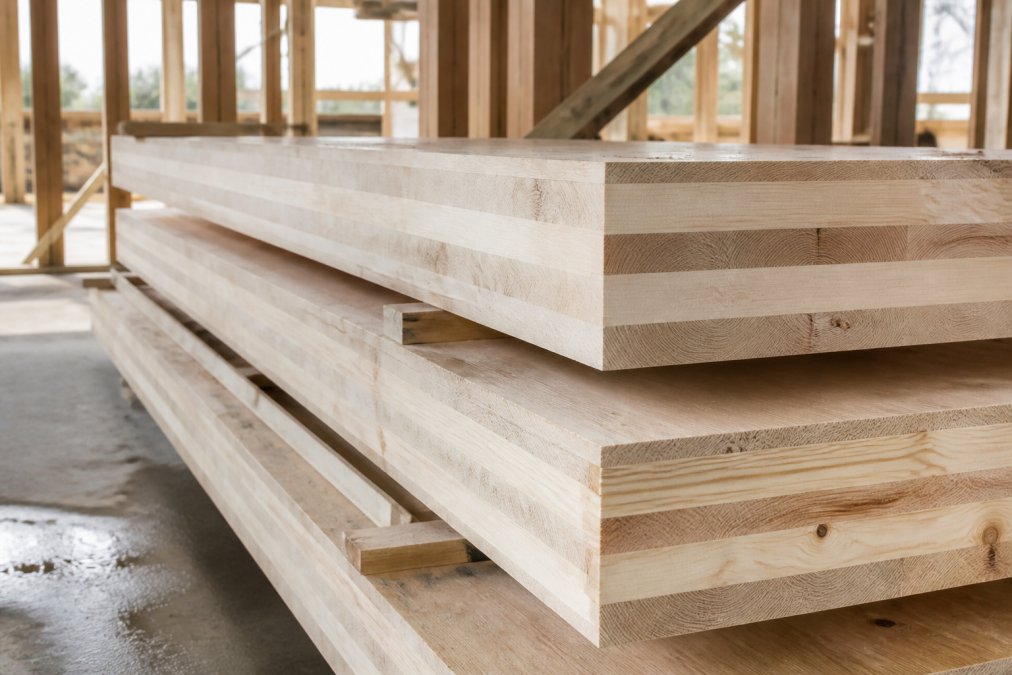
CLT offers structural performance comparable to steel or concrete while using a renewable resource. When sourced from sustainably managed forests, it is carbon-negative and sequesters carbon throughout its lifespan.
Durability and Lifespan Expectations
CLT's durability depends on moisture control and exterior protection. When properly detailed with adequate roof overhangs, exterior cladding, and interior vapor management, CLT structures perform reliably for 75+ years. The glue lines between layers are the critical vulnerability; sustained moisture can compromise adhesive bonds. CLT works best in moderate-humidity climates with proper exterior weather barriers. In high-moisture environments, it requires more aggressive detailing, adding design and construction complexity.
CLT's performance plateau is reached at construction completion. Any moisture intrusion after the building envelope is sealed is a maintenance issue, making initial construction quality and envelope design critical to long-term performance.
Maintenance Requirements Over Time
CLT requires minimal maintenance once the building envelope is sealed and needs no painting or staining for structural integrity. However, the roof, exterior cladding, windows, and interior finishes require standard maintenance. If exterior cladding fails or roof leaks develop, remediation becomes expensive because accessing and drying the material is difficult. Budget for regular inspection of the building envelope, particularly around windows, doors, and roof penetrations.
CLT walls exposed to interior humidity can absorb moisture from indoor air. Proper ventilation design and humidity management are essential. Renovation projects may require upgrading HVAC systems to provide continuous mechanical ventilation.
Regional Availability and Supply Chain Realities
Most CLT used in Canadian projects is imported from European manufacturers or mills in British Columbia and Quebec, creating lead times of 16-24 weeks and transportation costs that add 15-25% to material costs. For projects on tight timelines, CLT may not be feasible.
Smaller projects or remote areas may face prohibitive shipping costs. Before committing to CLT, confirm that a qualified structural engineer in your region has CLT experience and that a reliable supply source exists within reasonable lead times.
Comparative Durability: CLT vs. ICF vs. Steel
ICF concrete structures typically outlast CLT in high-moisture environments and require less ongoing envelope maintenance. Steel structures can last indefinitely but require active corrosion management. CLT excels in moderate climates where the building envelope is well-designed and maintained, and where carbon benefits align with project values.
CLT requires specialized engineering expertise. Where available, CLT accelerates construction timelines because panels arrive pre-fabricated and require minimal on-site assembly. The material chars rather than burns through, maintaining structural integrity longer than steel in high-temperature conditions.
Metal Roofing Lifespan and Corrosion Resistance
Metal roofing lifespans routinely exceed 50 years and often reach 70 years with proper maintenance. Steel and aluminum roofing resist wind damage, heavy snow loads, and hail impact that would damage conventional roofing.
Aluminum naturally resists corrosion through a protective oxide layer. Steel requires protective coatings to prevent rust and resists corrosion in coastal environments with proper coating systems.
Light-colored metal roofs reflect solar heat, reducing cooling loads in summer. Reflective coatings can lower energy costs and reduce urban heat island effects.
Metal roofing exceeds wind and snow load requirements in virtually all jurisdictions. Insurance companies often provide discounts for its durability and fire resistance. Modern underlayment systems effectively dampen noise during heavy rain.
Fiber Cement Siding Durability: A Superior Alternative to Wood and Vinyl
Fiber cement siding combines Portland cement, wood fibers, and sand into a composite material that resists rot, pests, and weathering far better than wood or vinyl. Unlike vinyl, it doesn't degrade under UV exposure. Unlike wood, it requires no regular painting or staining to maintain structural integrity.
Fiber cement resists impact damage and maintains its shape over decades. It doesn't absorb water like wood, eliminating rot and mold conditions. Its non-combustible nature can reduce insurance costs and improve fire safety ratings.
Fiber cement typically needs repainting every 10-15 years for aesthetic reasons, not structural ones. Some homeowners leave it unpainted, accepting the weathered gray appearance that develops naturally.
Installation requires specialized tools and expertise; fiber cement is heavier than vinyl and more brittle than wood. Portland cement production is energy-intensive, but the material's longevity offsets this through decades of use without replacement.
Sustainable Cement Alternatives and High-Performance Concrete Solutions
Traditional Portland cement carries a significant carbon footprint. Sustainable cement alternatives reduce this impact while maintaining or improving durability.
Fly ash concrete incorporates fly ash, a byproduct of coal combustion, reducing Portland cement requirements while improving long-term durability. It develops higher compressive strength and reduced permeability, making it more resistant to water infiltration, salt damage, and freeze-thaw damage.
Geopolymer concrete uses industrial waste products and alkaline activators to create a binder with excellent compressive strength and chemical resistance. The carbon footprint is substantially lower than Portland cement concrete.
Recycled aggregate concrete uses crushed concrete from demolished buildings instead of virgin stone, reducing mining impacts and diverting waste from landfills while producing similar performance to conventional mixes.
Building code acceptance for alternative cements varies by jurisdiction. Before specifying fly ash or geopolymer concrete, confirm that your local authority having jurisdiction accepts the material.
| Material | Durability | Carbon Impact | Best For |
|---|---|---|---|
| Portland Cement Concrete | 50+ years | High | Standard foundations, slabs |
| Fly Ash Concrete | 75+ years | Reduced | Freeze-thaw regions, coastal areas |
| Geopolymer Concrete | 75+ years | Very Low | New construction, eco-focused projects |
| Recycled Aggregate Concrete | 50+ years | Reduced | Any application, waste reduction priority |
Building Code Compliance and Insurance Implications for Alternative Materials
Using non-standard materials requires careful navigation of building codes and insurance requirements. When you deviate from prescriptive standards, you typically need to demonstrate performance equivalency through testing, engineering analysis, or third-party certification.
Understanding Your Local Authority's Code Framework
Building codes in Canada are adopted at the provincial and municipal level. The National Building Code of Canada sets the baseline, but provinces have adopted and modified it.
Performance-Based vs. Prescriptive Code Pathways
Insurance Coverage and Premium Implications
Documentation and Warranty Preservation
Timeline and Cost Implications
Frequently Asked Questions
What are the most durable building materials for harsh climates?
Materials with high compressive strength and moisture resistance perform best in extreme conditions. Recycled steel framing resists rot and termites entirely. Ferrock and fly ash concrete offer superior resistance to freeze-thaw cycles and chemical attack. Rammed earth provides exceptional thermal mass and minimal weathering. Metal roofing with proper installation can last 40-70 years in coastal or freeze-thaw environments. The best choice depends on your specific climate: coastal areas benefit from corrosion-resistant options, while freeze-thaw regions need materials with low permeability.
How do ICF construction benefits compare to traditional wood framing for energy efficiency?
Insulated concrete forms (ICFs) integrate structural walls with continuous insulation, eliminating thermal bridging that occurs with wood studs. This creates superior energy efficiency and structural integrity. ICF walls achieve higher R-values (typically R-20 to R-40 depending on foam thickness) than conventional 2x6 wood framing with standard insulation. ICFs also improve air-tightness, reduce infiltration, and provide better sound dampening. The concrete core offers thermal mass that stabilizes indoor temperatures, reducing HVAC cycling. Over a 25-year lifespan, the energy savings often offset the higher initial material cost.
Is fiber cement siding durability worth the higher upfront cost compared to vinyl?
Fiber cement siding durability significantly exceeds vinyl in longevity and performance. Fiber cement resists rot, pests, and UV degradation without the warping or fading common in vinyl. Most fiber cement products last 25-40 years with minimal maintenance, while vinyl typically requires replacement every 15-20 years. Fiber cement maintains its structural integrity in temperature extremes and handles impacts better than vinyl. It also provides superior fire resistance and does not support mold growth. For homeowners planning to stay long-term, fiber cement delivers better value despite higher initial investment.
How do alternative building materials affect home insurance and maintenance costs?
Insurance premiums may decrease with durable materials that reduce risk. Metal roofing, recycled steel framing, and fiber cement siding often qualify for discounts because they resist fire, pests, and weather damage. Maintenance costs drop significantly with materials like rammed earth (minimal upkeep), CLT (no rot or warping), and metal roofing (no shingles to replace). Hempcrete requires breathable finishes but prevents mold-related damage. However, some materials like CLT or ICF may require specialized contractors, potentially increasing repair costs if damage occurs. Always confirm with your insurance provider which materials qualify for discounts in your area.