 listicle
5 Best Ways to Improve Home Value
Table of Contents
- 1. Kitchen Renovations and Cabinet Upgrades
- 2. Energy Efficiency Upgrades and Insulation
- 3. Bathroom Fixture Updates and Modernization
- 4. Curb Appeal and Landscaping Improvements
- 5. Fresh Paint, Flooring, and Hardware Upgrades
- Home Renovation ROI and Strategic Planning
- How to Improve Home Value Without Overextending
- Conclusion
Last Updated: August 16, 2026
1. Kitchen Renovations and Cabinet Upgrades
Kitchen renovations deliver strong returns on home value. Buyers evaluate this space closely, and a modern kitchen signals well-maintained property while a dated one suggests deferred maintenance throughout.
You don't need a complete gut renovation. Cabinet refacing or replacement, new countertops, and updated appliances transform the space without moving plumbing or electrical. Focusing on these three elements captures most value gains while keeping costs manageable.
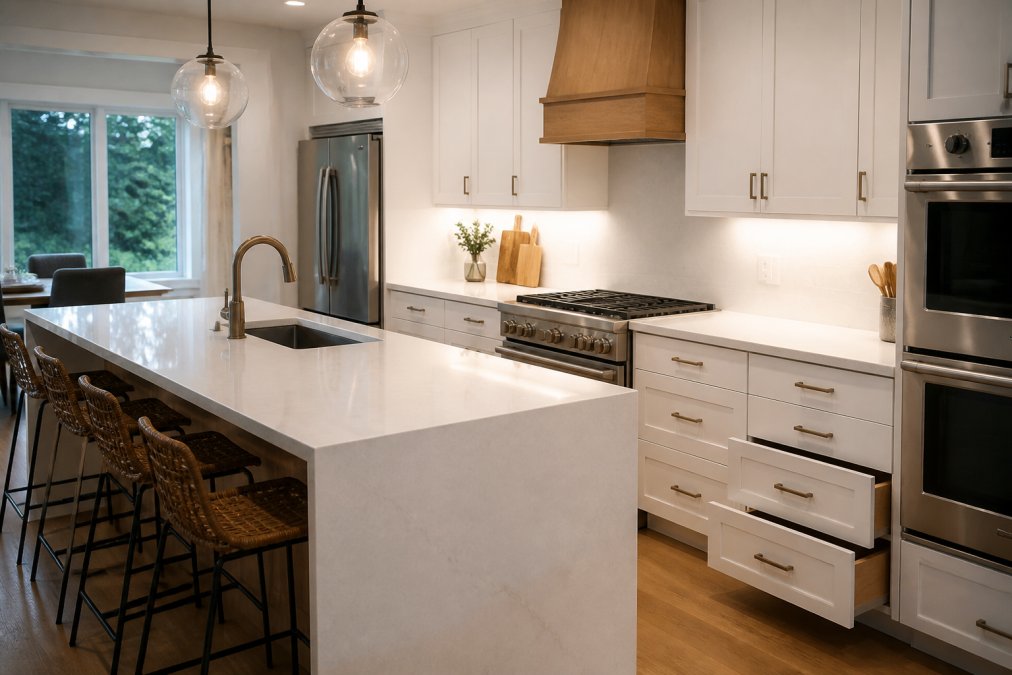
Cabinet quality matters. Solid wood or quality plywood cabinets with proper hardware outlast cheap particleboard. If existing cabinets are structurally sound, refacing, replacing doors and hardware while keeping the box, is cost-effective. If replacement is needed, neutral finishes (white, gray, or natural wood tones) appeal to the broadest audience.
Countertops are the second visual priority. Granite, quartz, or solid surface materials signal durability and low maintenance. Quartz offers better value than granite, it's more durable, requires no sealing, and costs slightly less.
Appliances complete the trio. Stainless steel remains the neutral choice, though black stainless is gaining ground. Energy-efficient models appeal to environmentally conscious buyers and lower utility costs.
2. Energy Efficiency Upgrades and Insulation
Energy efficiency has moved from "nice-to-have" to "expected." Buyers increasingly ask about heating costs, insulation quality, and whether homes meet current energy standards.
Energy-efficient upgrades often qualify for government incentives. Grants and rebate programs exist for insulation improvements, heat pump installation, and window upgrades. Checking what's available in your area can offset upfront costs.
Attic insulation is the cheapest upgrade with fastest return. Heat rises, and under-insulated attics lose money continuously. Adding insulation to R-60 or higher is straightforward and one of the most cost-effective energy improvements available.
Basement or crawl space insulation comes next. Exposed foundation walls lose heat continuously. Spray foam or rigid foam insulation combined with proper vapor barriers reduces heating load and improves comfort.
Windows are the visible upgrade. Modern double- or triple-pane windows with low-emissivity coatings reduce heat transfer significantly. If budget is tight, prioritize south- and west-facing windows where solar heat gain is highest.
Heat pump systems are gaining traction as efficient alternatives to traditional furnaces. They're quieter, more efficient in moderate climates, and eligible for rebates in many regions.
3. Bathroom Fixture Updates and Modernization
Bathrooms are the second-highest ROI renovation space after kitchens. Dated fixtures, worn tile, and poor lighting make even clean bathrooms feel tired.
Fixture replacement is the quickest win. Modern faucets, showerheads, and hardware cost far less than full remodeling but transform the space visually. Chrome and brushed nickel finishes are safe, neutral choices.
Lighting deserves special attention. Many bathrooms have a single overhead fixture, creating shadows and cramped feeling. Adding vanity lighting (sconces on either side of the mirror) and recessed ceiling lights brightens the space and makes it feel larger.
Tile and grout are high-visibility surfaces. If existing tile is good, regrouting and cleaning restores it. If tile is cracked or dated, replacement with neutral options (white subway tile, light gray, soft earth tones) modernizes the space.
Vanities and countertops follow kitchen logic. A quality vanity with solid countertop (quartz or granite) looks intentional and well-maintained. Cheap particleboard vanities sag and stain, signaling poor quality.
Ventilation matters but often goes unnoticed until it fails. A functioning exhaust fan prevents mold and mildew, critical for bathroom longevity. Upgrading an old or weak fan is inexpensive and prevents future problems.
4. Curb Appeal and Landscaping Improvements
First impressions happen in the driveway. Curb appeal directly influences whether potential buyers even step out of their car. A well-maintained exterior signals pride of ownership and sets expectations for what's inside.
Landscaping is the fastest, cheapest way to improve curb appeal. Fresh mulch in garden beds, trimmed shrubs, and a maintained lawn cost little but transform appearance. Overgrown vegetation and neglected beds suggest poor maintenance.
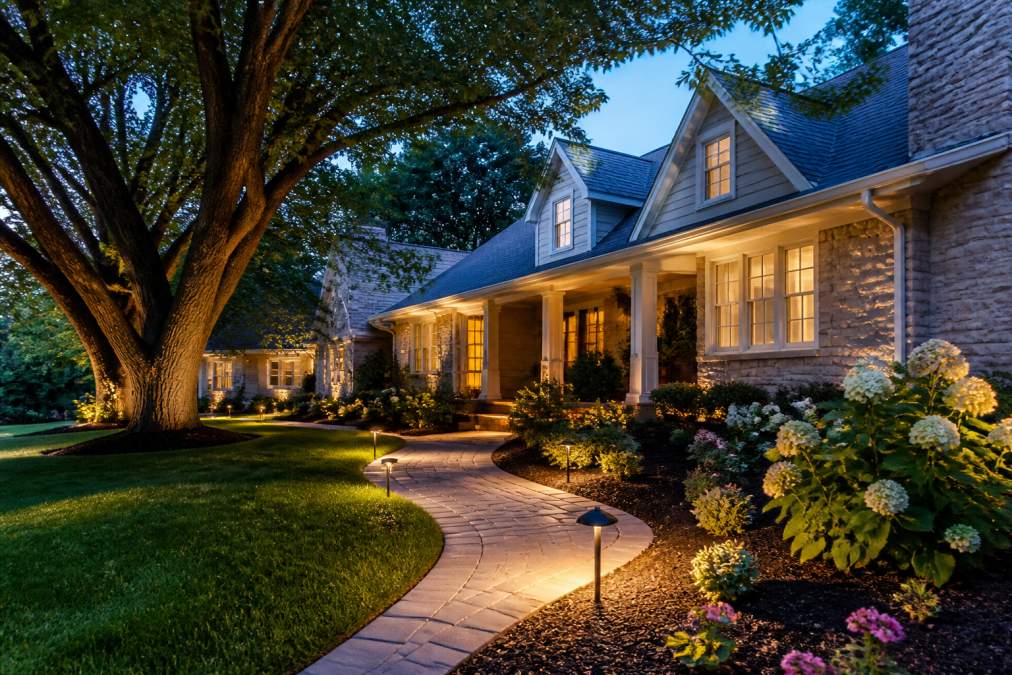
Tree care is worth the investment. Well-maintained mature trees add character and value. Dead branches, overgrown limbs, or trees in poor health should be addressed. A single large, healthy tree in the front yard is a significant asset.
Front door and entrance upgrades have high impact relative to cost. A new door, fresh paint, updated house numbers, and new lighting fixtures make the entry feel intentional and welcoming.
Driveway and walkway condition matters. Cracked asphalt, broken concrete, or weeds look neglected. Repair or replacement improves both function and aesthetics.
Exterior paint is the cheapest major refresh. A fresh coat in neutral color (soft whites, warm grays, earth tones) updates appearance without structural changes. Avoid bold colors that limit buyer appeal.
5. Fresh Paint, Flooring, and Hardware Upgrades
Paint is the cheapest refresh with highest visual impact. A neutral color palette, soft whites, warm grays, light beiges, creates a blank canvas for buyers to envision their own décor. Avoid bold or dark colors.
Interior paint quality matters. Quality paint covers better, lasts longer, and looks professional. Professional painting is worth the cost; visible brush marks signal corner-cutting. Proper surface prep and quality materials are essential.
Flooring condition is immediately noticeable. Worn or stained flooring suggests deferred maintenance. Hardwood floors that are scuffed can be refinished cost-effectively. Worn carpet should be replaced. Laminate or vinyl flooring that mimics wood or stone is affordable and appeals to buyers seeking durability.
Hardware upgrades are small details with outsized impact. Cabinet knobs, door handles, and light switch plates are touched frequently and visible constantly. Replacing outdated hardware with modern, cohesive options costs little but signals attention to detail.
Light fixtures deserve attention. Outdated ceiling fixtures and wall sconces date a home quickly. Modern fixtures don't need to be expensive, just current and functional. Dimmer switches add flexibility.
Decluttering and staging are free or nearly free. Removing excess furniture and personal items allows spaces to feel larger and helps buyers envision themselves in the home. Clean, organized spaces sell faster regardless of actual square footage.
Home Renovation ROI and Strategic Planning
Understanding which projects recoup their investment helps you prioritize spending and avoid overextending on improvements that won't pay off at resale.
Kitchen and bathroom upgrades typically recoup 50-80% of their cost at resale. These spaces receive buyer scrutiny, justifying investment.
Energy efficiency upgrades vary in payback. Attic insulation and air sealing are inexpensive and often recoup full cost through lower utility bills and buyer appeal. Window replacement and heat pump systems are more expensive and may not fully recoup costs, but appeal to environmentally conscious buyers and reduce operating costs immediately.
Curb appeal and landscaping typically recoup 100-150% of investment.
Paint and flooring fall in the middle. Fresh paint recoup 50-100% depending on quality and color. Flooring replacement recoup 70-100% depending on material and existing condition.
The key is balance. Overinvesting in a single category creates imbalance that doesn't justify the spend. Strategic improvements across multiple categories deliver better returns.
Timing matters too. Completing renovations before listing gives the home time to settle and look lived-in rather than freshly flipped.
How to Improve Home Value Without Overextending
The biggest mistake homeowners make is underestimating costs or overcommitting to projects they can't afford. Budget overruns and financial stress undermine the entire purpose of improving home value.
Start with a realistic assessment of what your home needs. Walk through with a critical eye, or hire a home inspector, to identify genuine issues versus cosmetic preferences. A cracked foundation needs attention. Outdated cabinet hardware doesn't.
Prioritize projects by impact and cost. High-impact, low-cost improvements (paint, landscaping, hardware) should come first. They deliver visible results quickly. Major renovations should follow once you've confirmed budget and timeline.
Get multiple quotes for major work. Contractor costs vary significantly. Comparing three to five estimates gives realistic pricing and helps spot outliers. Be wary of quotes dramatically lower than others.
Build contingency into your budget. Renovation surprises are inevitable. Hidden water damage, outdated wiring, or structural issues emerge once walls are opened. A 15-20% contingency buffer prevents budget shock.
Avoid financing through high-interest debt. If you can't afford improvements with savings or a home equity line of credit at reasonable rates, the project may be overextending you.
Consider the local market. Improvements that make sense in high-value neighborhoods might not deliver returns in lower-value areas. Know what buyers in your market actually value.
Improving home value doesn't require complete renovation. Strategic upgrades to kitchens, bathrooms, energy systems, curb appeal, and interior finishes deliver measurable returns when planned thoughtfully. Timeless General Contracting brings 25 years of experience and Red Seal certification to help you prioritize projects that matter. Our transparent approach, including real-time tracking through our Client Project Portal, keeps you informed every step of the way, preventing surprises and scope creep. Contact Timeless General Contracting to discuss which upgrades make sense for your property and timeline.
| Improvement Type | Typical Cost Range | Estimated Value Return | Best For |
|---|---|---|---|
| Kitchen cabinet & counter refresh | pricing depends on quantity, dates, and delivery | pricing depends on quantity, dates, and delivery | Dated kitchens, tight budgets |
| Full kitchen renovation | pricing depends on quantity, dates, and delivery | pricing depends on quantity, dates, and delivery | Structural changes needed, high-value homes |
| Bathroom fixture updates | pricing depends on quantity, dates, and delivery | pricing depends on quantity, dates, and delivery | Quick refreshes, cosmetic improvements |
| Full bathroom renovation | pricing depends on quantity, dates, and delivery | pricing depends on quantity, dates, and delivery | Structural issues, multiple fixtures |
| Attic insulation | pricing depends on quantity, dates, and delivery | pricing depends on quantity, dates, and delivery | Energy efficiency, immediate payback |
| Window replacement | pricing depends on quantity, dates, and delivery | pricing depends on quantity, dates, and delivery | Energy savings, curb appeal |
| Landscaping refresh | pricing depends on quantity, dates, and delivery | pricing depends on quantity, dates, and delivery | Curb appeal, quick impact |
| Interior paint | pricing depends on quantity, dates, and delivery | pricing depends on quantity, dates, and delivery | Cosmetic refresh, broad appeal |
| Flooring replacement | pricing depends on quantity, dates, and delivery | pricing depends on quantity, dates, and delivery | Worn or dated floors, durability |
Frequently Asked Questions
What home improvements offer the best return on investment?
Kitchen and bathroom renovations typically return 50-70% of their cost at resale, while energy-efficient upgrades like insulation and windows can return 60-80%. Fresh paint, updated fixtures, and curb appeal improvements offer strong returns at lower initial cost. The best ROI depends on your property's current condition and local market demand. A professional contractor can assess which improvements will maximize resale value for your specific home.
How do energy efficiency grants for homeowners help offset renovation costs?
Federal and provincial grants can cover 25-50% of energy efficiency upgrade costs, including insulation, windows, heat pumps, and weatherization. These programs reduce your out-of-pocket expense while improving home value and reducing utility bills. Eligibility varies by program and income level. Contact your local energy office or visit the Government of Canada's website to identify grants you qualify for and how to apply before starting your renovation.
Does curb appeal really affect home appraisal values?
Yes. Curb appeal influences both appraisal values and buyer perception. Well-maintained landscaping, fresh paint, updated lighting, and a clean exterior can increase perceived property value by 5-10%. Buyers form first impressions within seconds, and properties with strong curb appeal attract more interest and command higher offers. Landscaping and exterior updates are among the fastest, most cost-effective ways to improve home value and marketability.
What are the most common mistakes that lower property value?
Deferred maintenance, poor interior design choices (bold colors, outdated fixtures), structural issues, and neglected landscaping significantly reduce value. Over-personalizing spaces, failing to maintain systems (HVAC, plumbing, roofing), and skipping energy-efficiency upgrades also hurt resale appeal. Scope creep and poor project management during renovations can waste budget on low-impact work. Working with an experienced contractor helps avoid these costly mistakes and ensures your improvements target high-value upgrades.
This article was written using GrandRanker