 how-to guide
High Performance Home Renovation Tips: A 2026 Guide
Table of Contents
- What Makes a High Performance Home Renovation Different
- Step 1: Conduct a Home Energy Audit Canada Professionals Recommend
- Step 2: Plan Your Energy Efficient Home Renovations Canada Strategy
- Step 3: Heat Pump Installation Canada Best Practices
- Step 4: Maximize the Canada Greener Homes Grant Opportunity
- Smart Home Integration for High Performance Renovations
- Selecting the Right Contractor for High Performance Home Renovation Tips
- Common Mistakes to Avoid in High Performance Renovations
Last Updated: July 27, 2026
When planning a major renovation, the difference between a standard remodel and a high performance home renovation tips approach comes down to building science. At Timeless General Contracting, we've spent 25 years helping homeowners in Pictou County understand that true renovation success means creating homes that perform better, cost less to operate, and feel more comfortable year-round.
High performance home renovation tips focus on thermal efficiency, air sealing, and systems integration rather than surface-level upgrades. Most contractors approach renovations as disconnected projects: new kitchen, then new windows, then a furnace swap. A high performance renovation starts with understanding your home's energy baseline, then strategically layers improvements that work together.
Homes that skip the energy audit phase often waste thousands on upgrades that don't address their actual performance problems. Others install expensive equipment that never reaches its potential because the building envelope still leaks. Below, we'll walk you through the exact process we use to deliver results, from the initial audit through final optimization.
What Makes a High Performance Home Renovation Different
Building science separates high performance renovations from standard aesthetic remodeling. A standard renovation might replace your kitchen cabinets, countertops, and appliances. But if your home still has single-pane windows, poor insulation, and air leaks around outlets and baseboards, you're still losing energy dollars every month. A high performance renovation addresses the building envelope first, then adds efficient systems on top of that foundation.
The thermal envelope, your insulation, air sealing, and window performance, is where the real work happens. Energy efficiency improvements that ignore the envelope are like trying to fill a bucket with a hole in the bottom.
At Timeless General Contracting, we prioritize structural integrity and thermal performance before touching aesthetics. That doesn't mean your home won't look stunning. It means the stunning finishes are backed by building science that keeps your energy bills down and your comfort up.
Step 1: Conduct a Home Energy Audit Canada Professionals Recommend
A professional home energy audit is the foundation of any high performance home renovation tips strategy. You can't fix what you don't measure. The audit identifies where your home is actually losing energy and which upgrades will deliver the biggest impact.
Understanding Your Baseline
A certified energy auditor will assess your home's current performance using standardized tools and methodologies. Many provinces in Canada now offer subsidized or free audits through energy efficiency programs, making this step accessible for most homeowners.
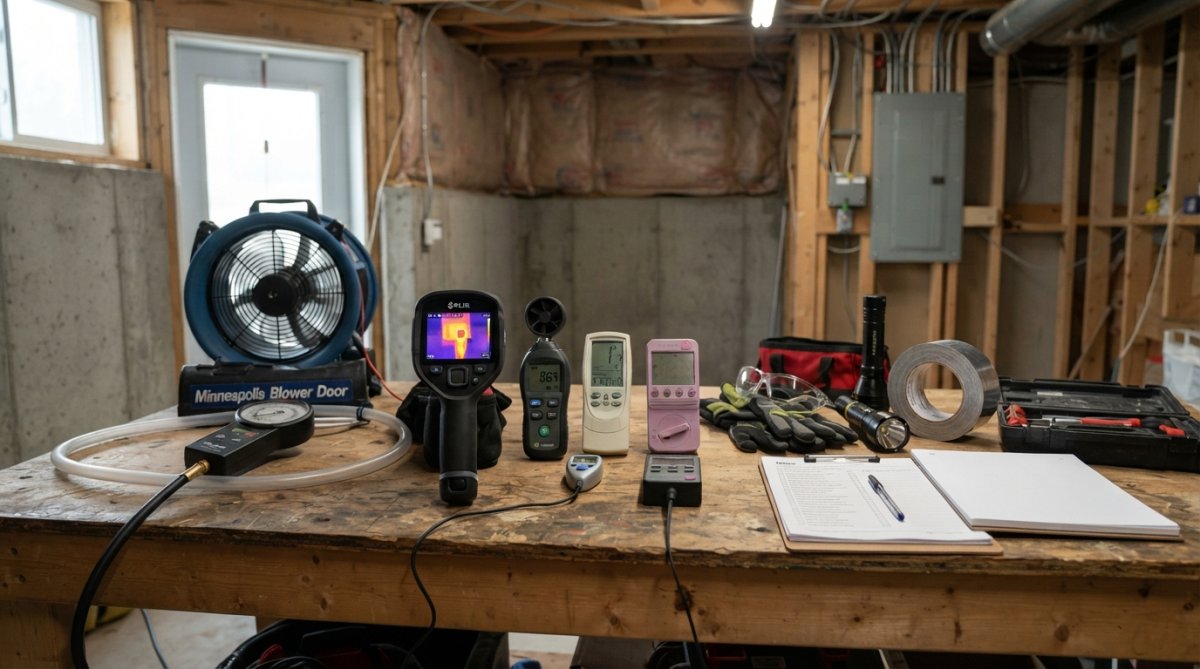
The audit typically includes blower door testing, which measures how much air is leaking through your building envelope. Thermal imaging identifies cold spots where insulation is missing or compromised. The auditor documents your current heating system, water heating setup, appliance efficiency, and window performance.
The deliverable is a detailed report that ranks energy efficiency improvements by return on investment. This ranking tells you which upgrades will actually move the needle on your energy costs versus which ones look good but deliver minimal savings.
Identifying Priority Upgrades
Not all energy upgrades are created equal. The audit report prioritizes recommendations based on impact and cost. Typically, air sealing and insulation improvements rank high because they're foundational. A leaky building envelope undermines everything else you do.
From there, the priorities shift based on your home's specific characteristics. Homes with old furnaces might benefit most from a heat pump upgrade. Homes with poor windows and good insulation might see bigger gains from window replacement. The audit data guides these decisions rather than generic best practices.
Step 2: Plan Your Energy Efficient Home Renovations Canada Strategy
Once you understand your baseline, the next step is building a coherent renovation strategy. Energy efficient home renovations Canada homeowners pursue often fail because they're piecemeal, with no coordination between contractors handling different systems.
Insulation and Air Sealing Priority
The building envelope comes first. This means addressing air leaks and adding insulation where it's missing or inadequate. Air sealing alone can reduce heating and cooling costs by 10-15%, according to guidance from Natural Resources Canada on energy efficiency standards.
Air leaks typically occur around electrical outlets and switches on exterior walls, gaps where utilities enter the home, rim joists in basements, attic access points, and ductwork penetrations. Sealing these gaps with foam, caulk, or weatherstripping is inexpensive work that delivers measurable results.
Insulation upgrades depend on your current levels. Many homes built before 2000 have inadequate attic insulation by today's standards. Adding insulation to R-50 or higher in the attic is one of the highest-ROI upgrades available.
HVAC and Thermal Envelope Upgrades
Once the envelope is tight and well-insulated, your heating and cooling systems can operate efficiently. Modern heat pumps are the preferred upgrade path for most Canadian homes. They're more efficient than traditional furnaces, they provide both heating and cooling, and they integrate well with smart home systems. Sizing is critical, a properly sized heat pump in a well-sealed home outperforms an oversized unit in a drafty home every time.
Ductwork sealing is often overlooked. Leaky ducts can lose 20-30% of conditioned air before it reaches your living spaces. Sealing and insulating ducts is part of the complete HVAC upgrade strategy.
| Upgrade | Typical Cost Impact | Energy Savings | Timeline |
|---|---|---|---|
| Air sealing and weatherstripping | Low | 10-15% | 1-2 weeks |
| Attic insulation upgrade | Low-Medium | 10-20% | 1-2 weeks |
| Window replacement | High | 5-10% | 2-4 weeks |
| Heat pump installation | High | 20-40% | 1-2 weeks |
| Basement insulation | Medium | 5-15% | 2-3 weeks |
Step 3: Heat Pump Installation Canada Best Practices
Heat pump installation Canada contractors recommend as the centerpiece of modern high performance home renovation tips strategies. A heat pump is more efficient than a traditional furnace, provides cooling without a separate AC system, and integrates seamlessly with smart home automation.
Sizing and Placement Considerations
Proper sizing is non-negotiable. An undersized heat pump won't meet your home's heating demands on the coldest days. An oversized unit cycles on and off too frequently, wasting energy and reducing efficiency. The sizing calculation must account for your home's improved insulation and air sealing, not its original condition.
Placement matters too. The outdoor unit should be positioned where it can draw fresh air without obstruction. Many homes benefit from a dual-fuel system that pairs a heat pump with a backup gas furnace or electric resistance heating. In extreme cold snaps, the heat pump can call on the backup system to maintain comfort.
Integration with Existing Systems
A heat pump needs to integrate with your ductwork, thermostat, hot water system, and smart home controls. Poor integration means lost efficiency and frustration.
Ductwork modifications might be necessary. Oversized ducts designed for a furnace might need adjustments to work optimally with a heat pump. Smart thermostats that learn your schedule and adjust heating and cooling automatically can improve efficiency by another 10-15%.
Step 4: Maximize the Canada Greener Homes Grant Opportunity
The Canada Greener Homes Grant provides up to $5,000 in rebates for eligible energy efficiency upgrades. For many homeowners, this grant meaningfully reduces the out-of-pocket cost of a high performance home renovation tips project.
Eligibility and Application Process
The grant covers homeowners who own and occupy their primary residence. The home must have been built before 2000 to be eligible for most upgrades.
Eligible upgrades include heat pump installation, insulation improvements, air sealing and weatherization, window and door replacement, hot water system upgrades, and renewable energy systems.
The application process requires a pre-renovation energy assessment conducted by a certified auditor. You complete the assessment, apply for the grant, receive approval, then complete your renovations. A post-renovation assessment confirms the improvements and triggers the rebate.
Aligning Upgrades with Grant Requirements
Strategic planning ensures your renovation maximizes grant benefits. The grant amount varies by upgrade. A heat pump installation might qualify for $2,500 to $5,000 depending on the system type and your home's location. Insulation improvements might qualify for $1,000 to $2,500.
You must receive grant approval before starting work. Renovations completed before approval don't qualify for reimbursement. Coordinate with your contractor to ensure the timeline aligns with the grant process.
Many homeowners combine the Canada Greener Homes Grant with provincial or utility-specific rebates to further reduce costs. At Timeless General Contracting, we help clients navigate these programs and align their renovation scope with available incentives.
Smart Home Integration for High Performance Renovations
Modern high performance homes use smart home technology to optimize energy use in real time. Automation systems that monitor and adjust heating, cooling, hot water, and lighting based on occupancy and weather patterns can reduce energy consumption by an additional 10-20%.
Smart thermostats that integrate with your heat pump learn your schedule and preferences. They adjust temperatures automatically and respond to outdoor temperature changes. Smart ventilation systems maintain indoor air quality while minimizing heat loss. Heat recovery ventilators (HRVs) extract stale indoor air while capturing the heat or cooling energy and transferring it to incoming fresh air.
Real-time energy monitoring shows you exactly where your energy is going. Smart meters and sub-metering systems identify which appliances and systems consume the most energy. Automated lighting systems that respond to occupancy and daylight reduce unnecessary electricity use.
Selecting the Right Contractor for High Performance Home Renovation Tips
Not every contractor understands building science or high performance renovation principles. The difference between a contractor who treats renovations as disconnected projects and one who understands systems integration is enormous.
Red Seal Certification and Building Code Knowledge
Red Seal certification indicates that a contractor has met national standards for their trade. More importantly, look for contractors who understand current building codes and energy standards. Building codes in Canada have evolved significantly toward energy efficiency.
Ask contractors about their experience with high performance renovations specifically. Have they completed blower door testing? Do they understand thermal bridging and its impact on insulation performance? Can they explain why air sealing comes before mechanical system upgrades? Their answers reveal whether they understand the underlying principles or just follow a checklist.
Transparency, Project Management, and Real-Time Tracking
High performance renovations are complex. Coordination between multiple trades, sequencing of work, and attention to detail matter enormously. You need a contractor who maintains clear communication and provides visibility into project progress.
At Timeless General Contracting, our Client Project Portal gives you real-time access to project schedules, budget tracking, and progress photos. Ask potential contractors how they manage scope creep and budget control. Request references from previous high performance renovation projects and talk to past clients about whether the contractor delivered on timeline and budget.
Common Mistakes to Avoid in High Performance Renovations
Understanding what goes wrong helps you avoid costly errors.
Scope Creep and Budget Control
Scope creep is the silent killer of renovation budgets. The project starts with a clear scope, then you discover rim joists need work, the basement might as well be finished, the kitchen looks dated. Each addition seems reasonable in isolation. Collectively, they transform a $35,000 energy efficiency project into a $75,000 renovation that's 18 months behind schedule.
Prevent scope creep by defining the project scope in writing before work begins. Separate "must-haves" from "nice-to-haves." When unexpected issues arise, evaluate them against the original scope and budget.
Skipping the Energy Audit or Permits
Some homeowners skip the energy audit to save money, then guess at which upgrades to prioritize. This almost always leads to wasted spending on low-impact improvements and missed opportunities for high-impact ones.
Permits matter too. Major renovations require permits for HVAC work, electrical upgrades, and structural modifications. Unpermitted work creates liability and often violates building codes. The permit inspection process catches mistakes before they become expensive problems.
High performance home renovation tips require a different mindset than standard remodeling. You're not just updating finishes, you're optimizing how your home performs as a physical system. This approach demands more upfront planning and coordination, but it delivers returns for decades through lower energy costs, improved comfort, and greater durability.
If you're planning a renovation in Pictou County, Timeless General Contracting brings 25 years of experience and Red Seal certification to every project. Our Client Project Portal keeps you informed throughout the process, and our deep understanding of building science ensures your renovation delivers the high performance results you're investing in. Contact us for a consultation and let's build your high performance home.
Frequently Asked Questions
What defines a high performance home renovation in Canada?
A high performance home renovation prioritizes building science principles, thermal performance, air sealing, insulation, and HVAC efficiency, over aesthetic upgrades alone. In Canada, this typically means achieving superior energy efficiency to reduce heating and cooling loads in cold climates. The focus is on structural integrity, durability, and long-term operational savings rather than cosmetic remodeling. Many high performance renovations target Passive House standards or equivalent energy performance benchmarks.
Are there government grants or rebates for high performance home renovations in Canada?
Yes. The Canada Greener Homes Grant provides up to $5,000 in rebates for eligible energy-efficient home renovations, including heat pump installation, insulation upgrades, and air sealing work. Homeowners must complete a home energy audit before and after renovation to qualify. Provincial programs may also offer additional incentives. Contact Natural Resources Canada or your provincial energy office for current eligibility and application details.
How do I find a qualified contractor for high performance home renovation work?
Look for Red Seal certified contractors with demonstrated experience in building science and energy efficiency upgrades. Verify credentials through provincial trade organizations and ask for references on similar projects. A reputable contractor should offer transparency through project management tools (like real-time tracking portals), clear timelines, detailed budgets, and knowledge of building codes and permits. Request examples of completed high performance renovations and ask about their approach to scope control and communication.
What should I prioritize first in a high performance home renovation?
Start with a professional home energy audit to identify your home's biggest energy losses. Typically, air sealing and insulation improvements deliver the highest ROI and should come before HVAC upgrades. Thermal envelope improvements reduce the load on heating and cooling systems, allowing you to downsize equipment and save money. Permits and building code compliance must be addressed early. Smart home integration and luxury finishes come later, after structural and efficiency fundamentals are secured.
This article was written using GrandRanker