ultimate-guide
Luxury Home Renovation ROI: Does It Raise Value?
Table of Contents
- Does Luxury Home Renovation Increase Property Value? The Short Answer
- Luxury Home Appraisal Factors: What Appraisers Actually Reward
- Renovations That Recoup Costs: Kitchen, Bath, and Structural Work
- Over-Improving Your Home for the Market: The Neighborhood Ceiling
- Luxury-Specific Depreciation: Where High-End Spend Goes to Waste
- What Is a Red Seal Contractor and Why It Matters for Resale
- Strategic Luxury Renovations: Balancing Enjoyment With Equity
- Conclusion: Build for the Market, Renovate for Yourself
- Frequently Asked Questions
Last Updated: September 7, 2026
Does Luxury Home Renovation Increase Property Value? The Short Answer
The answer is yes, but rarely by the amount you spent. A luxury home renovation increases property value only when it aligns with what comparable buyers in your market will pay for, and the gap between renovation cost and added appraisal value is where most homeowners lose money. At Timeless General Contracting, we have spent 25 years building and renovating high-performance homes.
The distinction matters because "luxury" is relative. A renovation budget that makes sense for a high-value property in one neighborhood can become a financial anchor in another. Before you invest in high-end finishes, you need to understand what appraisers reward, what buyers in your area actually pay for, and where your renovation dollars cross the line from asset to liability.
Luxury Home Appraisal Factors: What Appraisers Actually Reward
Appraisers do not value renovations based on what you spent. They value based on comparable sales, meaning recent transactions of similar homes in your immediate area. According to the Appraisal Institute of Canada's guidance on residential valuation, the core methodology relies on adjusted sale prices of comparables, not on your contractor's invoice.
The factors that actually move an appraisal upward include increased square footage, additional bedrooms or bathrooms, upgraded mechanical systems, and energy efficiency improvements. What appraisers reward less consistently are purely aesthetic upgrades: premium countertops, designer fixtures, and imported tile add visual appeal but rarely translate dollar-for-dollar into appraised value.
A luxury home appraisal factor that surprises many owners is the condition adjustment. A well-maintained home with mid-range finishes often appraises higher than a poorly maintained home with high-end finishes, because appraisers penalize deferred maintenance more heavily than they reward premium materials. The practical takeaway is that structural integrity and system upgrades form the foundation of value, while luxury finishes sit on top of that foundation.
Renovations That Recoup Costs: Kitchen, Bath, and Structural Work

The renovations that consistently recoup the highest percentage of their cost are kitchen and bathroom remodels, followed by structural additions and energy efficiency upgrades. These projects improve both the function and the appraisal fundamentals of a home.
But the generic advice to 'remodel your kitchen' hides the real mechanism. The return is not a fixed percentage of what you spend; it is a function of how your finished product compares to the three to five comparable sales an appraiser will pull from your immediate area. In Canadian markets, appraisers and realtors alike anchor value to those comparables, not to your invoice.
Kitchen and Bathroom Remodels: Where ROI Gets Complicated
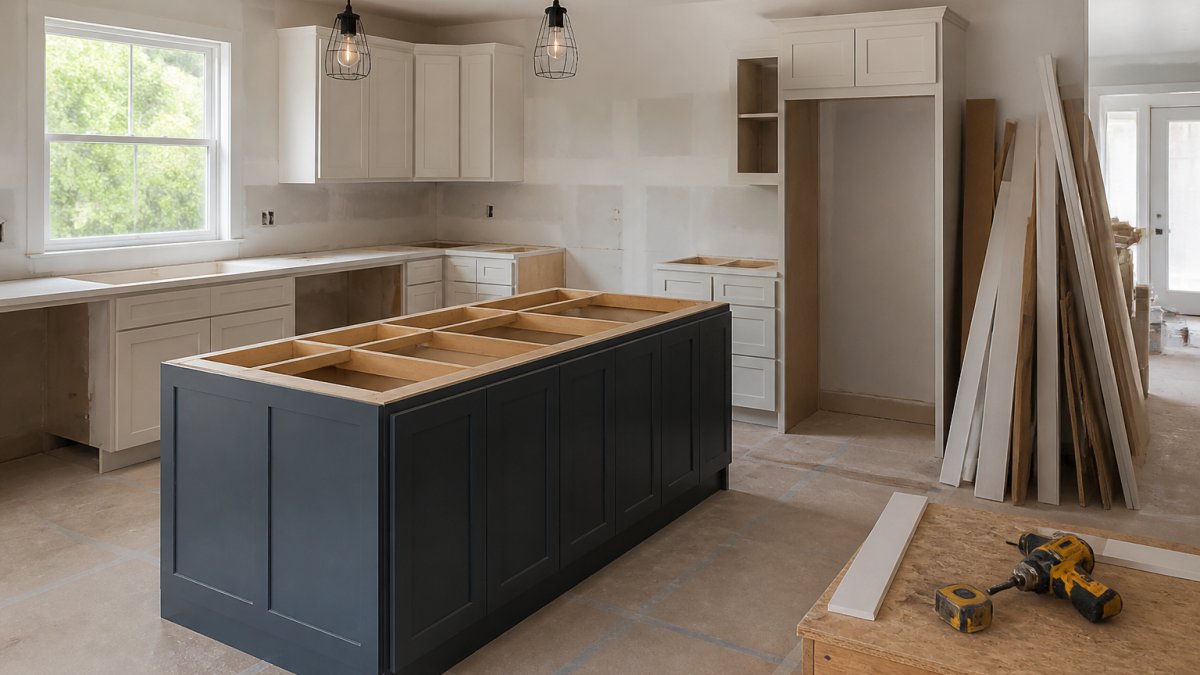
Kitchen and bathroom remodels sit at the top of the value list, but they are also where luxury spending gets complicated. Buyers expect functional, attractive kitchens and bathrooms, and homes without updated versions of these rooms sell at a discount. The question is how far above the neighborhood standard you should build.
A common pattern across Canadian resale data is that a mid-range kitchen remodel, new cabinets, mid-tier countertops, updated appliances, and a functional layout, recovers a strong portion of its cost in most markets. The same pattern shows that a luxury kitchen remodel, one with commercial-grade appliances, custom millwork, and premium stone, recovers a smaller percentage because the incremental spend pushes past what the neighborhood comparables support.
The mechanism is straightforward. If the top comparable sale in your area featured a renovated kitchen with quartz counters and stainless appliances, matching that standard protects your position. Exceeding it by adding a $15,000 professional range or $20,000 in custom cabinetry does not lift your appraisal above that comparable; it simply raises the cost you will not recover. The appraisal adjustment for a kitchen is capped by the range of adjusted values in your comparable set.
Bathrooms follow the same logic but with a tighter band. A clean, functional, updated bathroom is expected. A spa-like ensuite with a steam shower, heated floors, and designer tile is a different category. In a neighborhood where comparable homes have standard renovated bathrooms, the luxury ensuite will not move your appraisal. It may, however, shorten your time on market, because it creates a memorable impression that drives buyer urgency.
Structural and Energy Efficiency Upgrades That Appreciate
Structural renovations and energy efficiency upgrades behave differently from aesthetic ones. Adding square footage, finishing a basement, or upgrading to high-performance windows and insulation adds appraised value because it increases the home's functional utility. These projects also tend to hold their value better over time because they do not depend on design trends.
The appraisal mechanism for square footage is more direct than for finishes. When you add a finished basement or a legal bedroom, the appraiser can point to comparable sales with similar square footage and room counts. The adjustment is grounded in measurable differences, not taste. This is why structural additions consistently show stronger cost recovery than cosmetic upgrades in Canadian cost-vs-value analyses.
Energy efficiency upgrades carry a dual benefit. They can improve the home's appraisal through the condition and quality adjustments, and they reduce ongoing operating costs, which makes the property more marketable to buyers. Natural Resources Canada's guidance on home energy efficiency emphasizes that energy performance is increasingly a deciding factor for homebuyers evaluating long-term ownership costs. In colder Canadian climates, the operating cost difference between a drafty home and a well-insulated one is not abstract; it is a monthly line item that buyers calculate.
Over-Improving Your Home for the Market: The Neighborhood Ceiling
Over-improving your home for the market is the single fastest way to lose money on a luxury renovation. The neighborhood ceiling is the maximum price that comparable homes in your immediate area support, and no amount of high-end renovation will push your appraisal meaningfully past it.
Real estate professionals describe this as the appraisal cap. If the comparable sales in your area top out at a certain price point, your renovated home will likely appraise near that ceiling regardless of what you spent. This is why over-improvement is a recognized risk in the industry: you can spend a significant premium on finishes and features that the local market simply will not pay for.
The warning sign is when your renovation budget approaches or exceeds the value gap between your home and the most expensive comparable sale in your area. If your home is currently worth less than the neighborhood ceiling, strategic improvements can close that gap profitably. Once you push past the ceiling, every additional dollar of renovation spending becomes a dollar you are unlikely to recover on resale.
Luxury-Specific Depreciation: Where High-End Spend Goes to Waste
Luxury-specific depreciation is the hidden cost that generic ROI guides ignore. High-end finishes depreciate faster than structural improvements because they are tied to taste, and taste changes. A designer kitchen color scheme or a custom tile pattern that feels current today can feel dated within a decade, and replacing it carries another full renovation cost.
The financial distinction is between maintenance and improvement. Structural renovations and system upgrades are capital improvements that extend the useful life of the home. Luxury finishes are aesthetic upgrades that satisfy personal taste but depreciate through normal use and style cycles. This is why two homes renovated to the same dollar amount can perform very differently on resale: one spent on structure and systems, the other on high-end cosmetic details.
Post-pandemic luxury trends have accelerated this depreciation in some categories. Features that spiked in demand during the pandemic, such as elaborate home offices and specialized recreational spaces, have seen cooling buyer interest as lifestyle patterns normalize. CMHC's housing market insights track shifting buyer preferences, and the pattern is clear: what buyers demand today is not what they will pay a premium for in five years.
What Is a Red Seal Contractor and Why It Matters for Resale
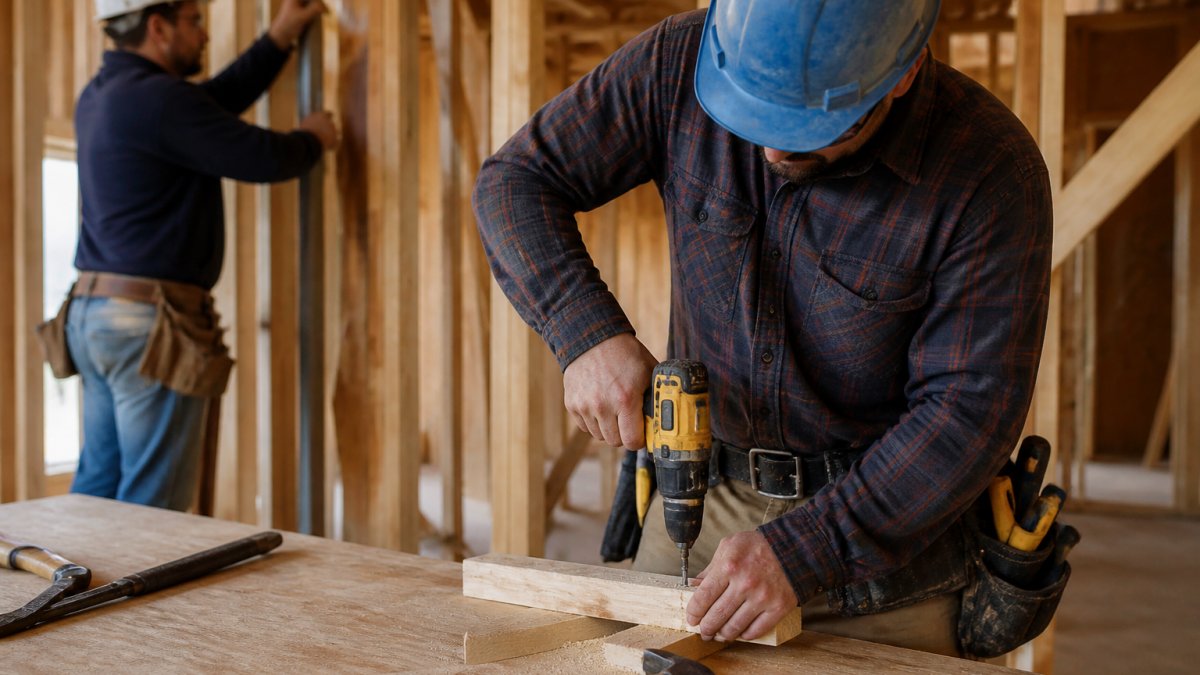
A Red Seal contractor is a tradesperson who has completed the Interprovincial Standards Red Seal Program, the recognized certification for skilled trades across Canada. The Red Seal endorsement signifies that a contractor has met a national standard of competency in their trade, verified through a rigorous examination process.
For resale value, the certification matters because it signals quality of workmanship that survives inspection. A luxury home renovation is only worth what the quality of its execution supports. Poorly installed high-end finishes can actually reduce value, because buyers and appraisers will discount a home that shows signs of rushed or unskilled work.
But the connection between certification and resale value runs deeper than workmanship alone. The Red Seal credential is a proxy for a contractor who understands code compliance, structural loading, and system integration, the invisible elements that determine whether a renovation passes a property inspection and whether an appraiser assigns full value to the work.
The Inspection Discount: How Poor Workmanship Erodes Appraised Value
A property inspection is a standard condition in most Canadian residential purchase agreements. When an inspector flags improper electrical work, non-permitted structural changes, or rushed finish details, the buyer's lender and the appraiser take notice. The result is often a renegotiated price or a failed sale, not a premium.
This is the mechanism that ties contractor certification to your resale outcome. A luxury renovation performed without permits or without code-compliant installation creates a liability that appears on the inspection report. The appraiser, working from comparable sales, will adjust downward for condition issues. The buyer, facing a list of deficiencies, will either walk away or demand a price reduction that exceeds the cost of the original work.
Permits, Paperwork, and the Resale File
A second, often overlooked connection between contractor certification and resale value is the documentation trail. A Red Seal contractor typically maintains proper permits, inspection records, and warranty documentation. This paperwork becomes part of the resale file that a buyer's lawyer and the title insurer review.
In Canadian real estate transactions, undisclosed renovations without permits are a known source of post-sale disputes. A buyer who discovers that a basement finish or a structural wall removal was done without permits can pursue legal remedies. That risk is priced into the offer. A complete permit and inspection file removes the uncertainty and supports the asking price.
Strategic Luxury Renovations: Balancing Enjoyment With Equity
Strategic luxury renovation planning means separating the projects you do for enjoyment from the projects you expect to return equity. Not every renovation needs to be an investment. A home is also a place to live, and there is legitimate value in renovations that improve your daily quality of life, even if they do not fully recoup their cost on resale.
The balanced approach is to allocate your renovation budget across three categories. First, structural and system upgrades that protect the home's integrity and add appraised value. Second, energy efficiency improvements that reduce operating costs and appeal to future buyers. Third, luxury finishes and amenities that you will enjoy while you live there, funded with the clear understanding that they are consumption, not investment.
This framework is where the psychological value of a luxury home renovation becomes relevant. Financial ROI is not the only return you receive. Daily enjoyment, comfort, and pride of ownership carry real value, even if they do not appear on an appraisal. The mistake is confusing the two. When you understand which parts of your renovation are investment and which are enjoyment, you can spend confidently on both without fooling yourself about the resale math.
| Renovation Type | Primary Value Driver | Resale Recovery | Best Strategy |
|---|---|---|---|
| Kitchen remodel | Function and marketability | Strong in mid-range, weaker at luxury tier | Match neighborhood standard |
| Bathroom renovation | Condition and comparables | Strong if done to standard | Avoid over-finishing |
| Structural addition | Increased square footage | Strongest recovery | Align with neighborhood size |
| Energy efficiency | Reduced operating costs | Consistent recovery | Prioritize over cosmetics |
| Luxury finishes | Personal enjoyment | Weakest recovery | Fund as consumption |
Conclusion: Build for the Market, Renovate for Yourself
The honest answer to whether a luxury home renovation increases property value is that it depends entirely on your market. Renovations that align with the neighborhood ceiling and focus on structure, systems, and energy efficiency tend to recover their costs. Luxury finishes and aesthetic upgrades deliver enjoyment but rarely deliver equity.
The smartest approach is to build for the market where it matters and renovate for yourself where it counts. Protect your resale position by staying within the neighborhood ceiling, investing in structural quality, and working with verified professionals. Then spend on the luxury details that make the home yours, understanding that those dollars buy daily enjoyment rather than future equity.
For homeowners planning high-performance renovations, working with a Red Seal certified contractor protects both the quality of the work and its resale story. Timeless General Contracting brings 25 years of industry experience to complex renovation projects, and our Client Project Portal keeps you informed with real-time tracking from start to finish.
Frequently Asked Questions
What type of luxury renovations offer the best return on investment?
Kitchen and bathroom remodels typically recoup the highest percentage of cost, but only when the finishes match the neighborhood. Structural upgrades like new windows, roofing, and energy efficiency improvements also perform well because appraisers assign clear value to them. The key is restraint: high-end appliances and custom details rarely return their full cost. Focus on quality materials and workmanship that feel timeless rather than trendy, and you will protect more of your investment when it comes time to sell.
How does over-improving a home for the neighborhood affect resale value?
Over-improving means spending beyond what comparable homes in your area support. Appraisers use recent sales in your immediate market as the ceiling for value, so a $200,000 luxury kitchen in a neighborhood of $150,000 homes will not return its cost. Buyers shopping that area cannot afford the premium, and appraisals will not justify the price. Before starting a major renovation, ask your contractor what the realistic resale ceiling is for your street, then decide how much of the cost you are willing to absorb for personal enjoyment.
What is the difference between personal enjoyment and investment-grade renovations?
Investment-grade renovations are choices that a typical buyer in your market would pay a premium for: added square footage, an extra bathroom, modern mechanicals, and energy efficiency. Personal enjoyment upgrades are choices tailored to your taste, like a wine cellar, home theater, or imported stone. Both have value, but only the first category reliably increases appraised value. A smart approach is to fund the enjoyment items only after confirming the investment-grade work is done, so you protect your resale position without giving up the features you want.
How can Red Seal certified craftsmanship impact the appraisal value of a luxury home?
Red Seal certification signals that the tradesperson has passed a national standard of competency. For appraisers and buyers, this translates into confidence that electrical, plumbing, and structural work meets code and will last. Quality workmanship shows up in the details: square trim, level floors, properly vented bathrooms, and clean mechanical installs. While certification alone does not add a specific dollar amount, it reduces the risk of hidden defects, which supports a stronger appraisal and fewer negotiation concessions during a sale.