 how-to
How to Verify Red Seal Certification Online in 2026
Table of Contents
- What You Need Before You Start a Red Seal Certification Check
- Step-by-Step: How to Verify Red Seal Certification Online
- Using a Provincial Apprenticeship Authority Lookup for Verification
- The Benefits of Hiring Red Seal Certified Contractors
- Cross-Jurisdictional and International Credential Verification
- How to Spot Authentic Certificates and Avoid Fraud
- Privacy and Data Protection When Checking Trade Credentials
- Conclusion
- Frequently Asked Questions
Last Updated: September 16, 2026
What You Need Before You Start a Red Seal Certification Check
Verifying a Red Seal certification online takes minutes, but only if you have the right details on hand. The Red Seal endorsement is an interprovincial standard confirming a tradesperson has passed the certification exam in their trade and met the requirements recognized across participating provinces and territories. At Timeless General Contracting, we've held Red Seal certification for years, and we can tell you: clients rarely know how to check it. That's a gap worth closing.
Before you open a lookup tool, gather these items:
- The tradesperson's full legal name as it appears on their certificate
- Their trade designation (for example, Carpenter, Electrician, Plumber)
- The certificate number, if they've provided it
- The province or territory that issued the certification
A common mistake is searching with a nickname or a company name. Public registers index individual certificate holders, not businesses. If you only have the company name, ask the contractor directly for the certifying tradesperson's name and certificate number. A legitimate Red Seal holder will hand those over without hesitation.
Step-by-Step: How to Verify Red Seal Certification Online
Here's the process, from identifying the issuing authority to confirming exam results. Total time: about 10 to 15 minutes per tradesperson.
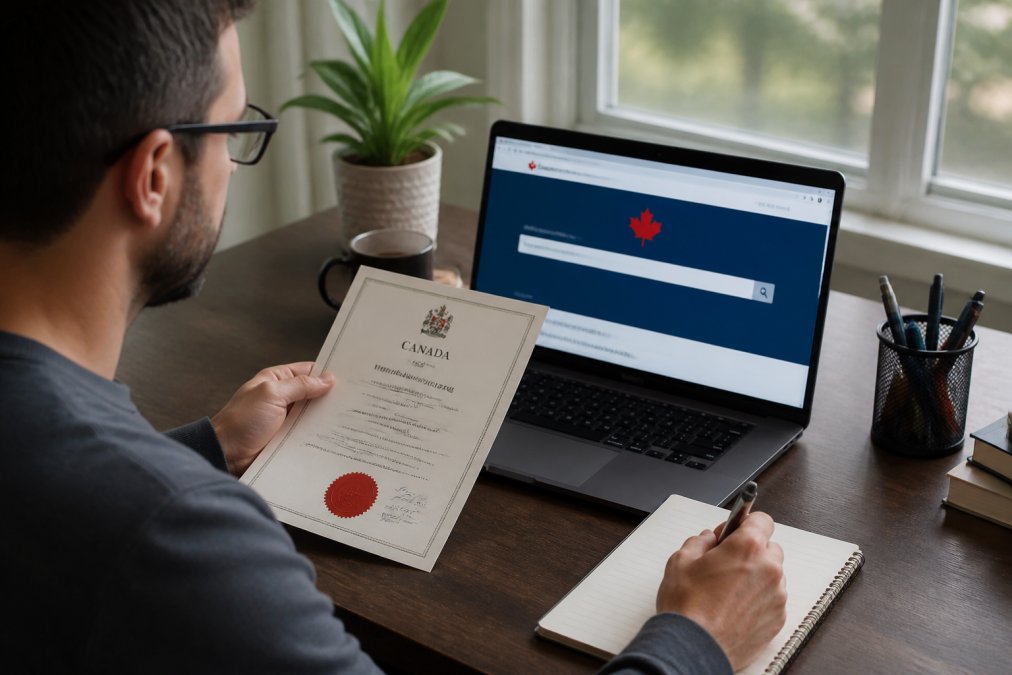
Step 1: Identify the Issuing Provincial or Territorial Authority
Certification is issued at the provincial or territorial level, so the first move is figuring out which jurisdiction certified the tradesperson. Each province and territory maintains its own apprenticeship authority, and each one runs its own verification system.
If the tradesperson trained in your province, start there. If they moved from elsewhere, you'll need to check the original issuing jurisdiction, or confirm their credential was transferred. This is the step most people skip, and it's why searches come up empty.
Step 2: Search the Public Register or Lookup Tool
Most provincial apprenticeship authorities offer a public register or online lookup tool where you can search by name or certificate number. These tools are free and don't require an account.
Navigate to the authority's website, find the certification verification or public register page, and enter the details you collected. Results typically show whether the certification is active, the trade designation, and the issuing jurisdiction. If a search returns nothing, try alternate spellings before assuming the credential is invalid.
Step 3: Confirm Trade Status, Certificate Number, and Exam Results
A successful search should confirm three things: the trade status is active, the certificate number matches what the tradesperson provided, and the certification was earned through the proper exam process. Some registers show exam completion dates; others confirm only that the credential is valid.
If any detail doesn't match, ask the tradesperson to clarify before you proceed. Mismatched certificate numbers or inactive statuses are red flags worth taking seriously.
| What to Check | Where to Find It | What Confirms Success |
|---|---|---|
| Trade status | Public register | Listed as active |
| Certificate number | Certificate + register | Numbers match exactly |
| Exam completion | Register or authority | Certification confirmed |
| Issuing jurisdiction | Authority website | Province or territory verified |
Using a Provincial Apprenticeship Authority Lookup for Verification
A provincial apprenticeship authority lookup is the most reliable way to confirm a tradesperson's credential, because the authority is the original source of the certification data.
- Skilled Trades Ontario maintains the public register for trades in that province, including Certificate of Qualification and Red Seal endorsement status. Searches are typically by name or certificate number.
- SkilledTradesBC operates the credential verification tool for that province, covering both apprenticeship and certification records.
- Alberta's Apprenticeship and Industry Training (AIT) system publishes a tradesperson search through the provincial government's apprenticeship portal.
- Saskatchewan Apprenticeship and Trade Certification Commission (SATCC) provides a verification service, often requiring a formal request rather than a self-serve search.
- Manitoba's Apprenticeship Manitoba publishes certification information through the provincial trades gateway.
- Quebec's Commission de la construction du Québec (CCQ) maintains its own register for construction trades, which operates under a different structure than the other provinces.
- Atlantic provinces (New Brunswick, Nova Scotia, Prince Edward Island, Newfoundland and Labrador) each maintain their own apprenticeship authority, though several share a common application platform for apprenticeship registration.
- Territories (Yukon, Northwest Territories, Nunavut) each have their own authority, and their smaller registers sometimes require a direct request rather than an online search.
A practical shortcut: if you don't know which province issued the credential, ask the tradesperson. The issuing jurisdiction is printed on the certificate and is the single fastest way to route your search to the right register.
The Benefits of Hiring Red Seal Certified Contractors
The benefits of hiring Red Seal certified contractors come down to verified competence, mobility, and accountability. A Red Seal endorsement means the tradesperson passed a national-standard exam recognized across participating jurisdictions, so the credential travels with them.
For homeowners, that translates to a few concrete advantages:
- Standardized skill verification across provinces and territories
- Proof the tradesperson met a national exam standard, not just a local one
- A paper trail you can check before signing a contract
- Greater accountability, since certification can be revoked
Cross-Jurisdictional and International Credential Verification
Cross-jurisdictional verification is where most checks get complicated, and it is the gap almost every competing guide leaves open. A tradesperson certified in one province may hold a credential recognized elsewhere through the Red Seal endorsement and labour mobility provisions, but the verification still happens at the original issuing authority, and that authority's register is often siloed from the others.
- Verify at the original issuing authority. This is the authoritative record. Search the register of the province or territory that issued the certificate.
- Confirm the credential was recognized in the current province. Some authorities will confirm that an out-of-province Red Seal holder has been registered to work locally. Others will not, because the original credential stands on its own.
Verifying Foreign-Trained Tradespeople
Foreign credentials are not automatically recognized. A tradesperson trained outside the country typically must have their qualifications assessed by the relevant provincial authority before certification is granted. The assessment process varies by province and trade, and may include document review, gap training, or exam requirements.
Why This Matters for Employers and Homeowners
If you are hiring across provincial lines, a contractor relocating, a company expanding, a homeowner who moved and brought a tradesperson's referral with them, the siloed nature of the registers is the single biggest source of confusion. Knowing that recognition and record-keeping are separate things saves you from misreading an empty search result as a failed verification.
Red Seal Program official site
How to Spot Authentic Certificates and Avoid Fraud
Authentic Red Seal certificates share consistent visual features: official seals, specific formatting, and a certificate number that matches the public register. Fraud is rare, but it happens, and the register is your best defense.
Watch for these warning signs:
- Certificate numbers that don't appear in any provincial register
- Names that don't match the tradesperson's legal identification
- Trades listed that don't align with the work being quoted
- Reluctance to provide a certificate number for verification
Privacy and Data Protection When Checking Trade Credentials
Checking a trade credential involves personal information, and Canada's privacy laws apply to how that data is handled. Public registers are designed to balance transparency with privacy, which is why some show limited details and others show more.
Conclusion
Verifying a Red Seal certification online is straightforward once you know which authority to check and what details to gather. The harder part is finding a contractor whose credentials, communication, and project management all hold up under scrutiny.
Frequently Asked Questions
How do I verify a Red Seal certification?
Start by identifying the provincial or territorial authority that issued the certification. Visit their official website and use the public register or lookup tool. Enter the tradesperson's name or certificate number. The tool will confirm their journeyperson status, trade designation, and whether the Red Seal endorsement is active. If you cannot find them online, contact the regulatory body directly for confirmation.
Does Red Seal certification expire?
Red Seal certification does not have a fixed expiry date, but it can be revoked for cause. However, some provinces require tradespeople to maintain their skills or pay renewal fees. Always check the current status through the provincial apprenticeship authority to ensure the certification is still valid. The online lookup tool will show if the certification is active or suspended.
Is there a national database for Red Seal tradespeople?
There is no single national database. Each province and territory maintains its own public register of certified tradespeople. The Red Seal program sets interprovincial standards, but verification must be done through the specific provincial or territorial authority that issued the certification. For labour mobility, you may need to check multiple jurisdictions if the tradesperson has worked in different provinces.
How can I tell if a contractor is actually Red Seal certified?
Ask for their certificate number and the issuing province. Then use the provincial apprenticeship authority lookup tool to confirm. Look for the Red Seal endorsement on their certificate, which includes a unique identifier. Cross-check their name and trade. If they cannot provide a certificate number or the online check fails, contact the regulatory body directly. Never rely solely on a paper copy, as forgeries exist.