 ultimate-guide
Deep Energy Retrofit Cost Guide for 2026
Table of Contents
- What Is a Deep Energy Retrofit?
- Cost Breakdown by Retrofit Level
- Home Energy Audit Cost and Its Role
- Canada Greener Homes Grant and Incentives
- Financing and Loan Structures
- Return on Investment and Long-Term Savings
- Phased Retrofit Roadmaps and Contractor Selection
- Conclusion
Last Updated: August 15, 2026
What Is a Deep Energy Retrofit?
A deep energy retrofit is a comprehensive building renovation that reduces a home's energy consumption by 50% or more compared to its current baseline. This goes far beyond standard energy upgrades, it combines multiple systems and envelope improvements to transform how a building performs thermally and operationally.
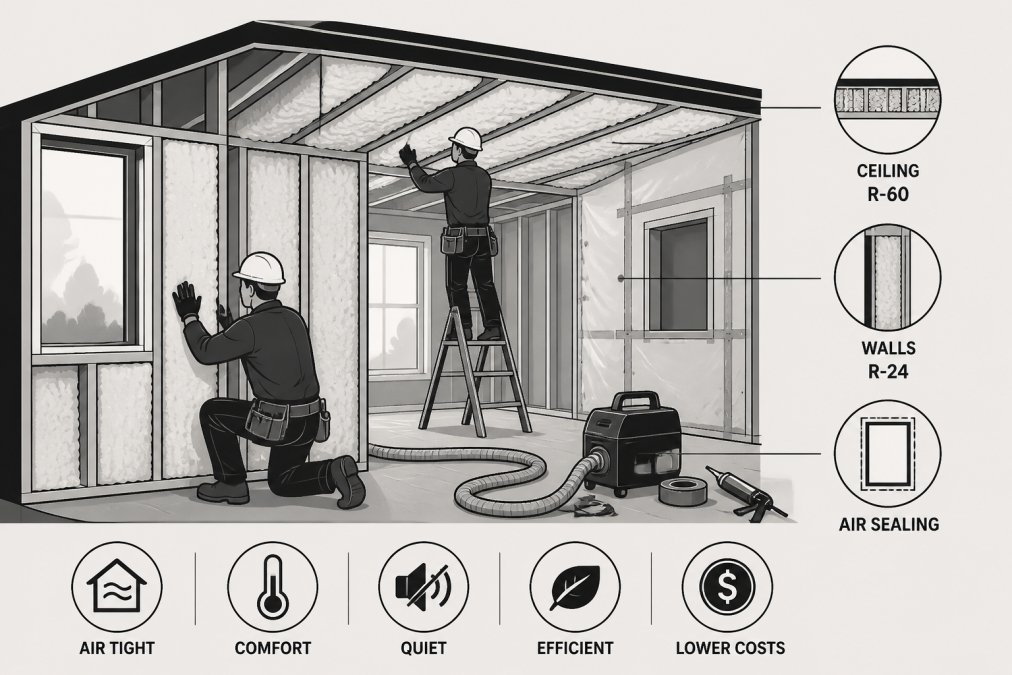
The distinction matters. A typical renovation might replace windows or upgrade insulation. A deep energy retrofit rewires the entire building: insulation throughout the envelope, air sealing to eliminate drafts, new heating and cooling systems (often heat pumps), window replacements, and sometimes renewable energy integration. The goal is to achieve near-net-zero or net-zero performance, where the home generates nearly as much energy as it consumes.
At Timeless General Contracting, we've worked with homeowners who recognize that energy efficiency isn't just about lower utility bills, it's about building durability, comfort, and long-term asset value. A deep energy retrofit typically involves an energy audit first, then a phased or comprehensive implementation of measures targeting the building envelope, HVAC systems, and sometimes renewable energy.
The retrofit depth determines scope and cost. Shallow retrofits address one or two systems. Medium retrofits tackle the envelope plus heating. Deep retrofits address everything: thermal bridging elimination, complete air sealing, full HVAC replacement with electric heat pumps, and often solar or other renewable integration. Each level represents a different investment and return timeline.
Cost Breakdown by Retrofit Level
Understanding retrofit depth helps you align spending with your goals and budget. There are three general levels, each with different cost implications and energy performance outcomes.
Shallow Retrofit (energy efficiency upgrades only): This level focuses on individual improvements, better insulation, window replacements, or a new furnace. Costs are lower because work is targeted and doesn't require comprehensive building envelope analysis. You'll see energy savings, but typically in the 20-30% range. This approach suits homeowners with budget constraints or those starting a phased approach.
Medium Retrofit (envelope plus systems): This combines building envelope improvements, air sealing, insulation upgrades, window replacement, with HVAC system electrification, often including a heat pump. This level targets 40-60% energy reductions and addresses both how heat moves through the building and how it's generated. Costs are moderate but reflect the coordination required between trades. Many homeowners pursuing carbon emissions reduction find this level hits the practical sweet spot between investment and performance.
Deep Retrofit (comprehensive overhaul): This addresses every thermal pathway: complete building envelope sealing and insulation, full HVAC replacement with electric heat pumps, heat recovery ventilation (HRV) systems, window and door replacement, thermal bridging elimination, and often renewable energy integration. This is the path to net-zero or near-net-zero performance. Costs are highest, but energy consumption drops 70-90%, and the home achieves long-term decarbonization goals.
The cost difference between levels isn't linear, deep retrofits cost more per square foot because they require energy modelling, coordination across multiple systems, and specialized installation. However, the per-unit energy savings improve dramatically. A shallow retrofit might save 2,000 kWh annually; a deep retrofit might save 15,000 kWh or more, depending on the home's original efficiency.
Home Energy Audit Cost and Its Role
Before any retrofit work begins, a professional home energy audit establishes your baseline and identifies where energy is being lost. This assessment is the foundation for retrofit planning and cost estimation.
An energy audit typically involves a certified energy auditor conducting a detailed inspection: checking insulation levels, identifying air leakage points using blower door testing, thermal imaging to spot heat loss, and analysis of existing HVAC systems and appliances. The auditor then models your home's energy performance and recommends retrofit measures ranked by cost-effectiveness.
The audit itself has a cost, but it's essential for accurate retrofit budgeting. Without it, contractors estimate based on assumptions, and costs often exceed projections. With it, you have a data-backed roadmap showing exactly which improvements will deliver the most energy savings per dollar spent.
Many retrofit incentive programs, including federal and provincial grants, require a professional energy audit as a prerequisite for funding. This means the audit cost often qualifies for rebate coverage, effectively making it free or nearly free when you proceed with retrofit work.
Canada Greener Homes Grant and Incentives
Federal and provincial incentive programs significantly reduce deep energy retrofit costs. Understanding what's available and how to access it can shift the financial equation dramatically.
The Canada Greener Homes Grant provides direct funding for eligible energy efficiency improvements. The program typically covers measures like heat pump installation, insulation upgrades, air sealing, window replacement, and renewable energy systems. Eligibility and funding levels vary by province and by specific measure, but the program is designed to offset a meaningful portion of retrofit costs.
Beyond the federal grant, many provinces offer additional rebates or tax credits for specific measures. Some utilities also provide incentives for heat pump adoption or electric heating conversion. Combining these sources can cover 30-50% of total retrofit costs, depending on the measures you choose and your province's specific programs.
The application process usually requires a professional energy audit first, then submission of quotes and retrofit plans to the funding body. After work is completed and verified, the grant is paid. Timing matters, funding availability and program rules change annually, so early planning is essential.
At Timeless General Contracting, we work with homeowners to identify all available incentives before finalizing retrofit plans. This ensures you're maximizing public funding and aren't leaving money on the table. Our team tracks program updates and helps coordinate audit and retrofit scheduling to align with funding timelines.
Financing and Loan Structures
For retrofit costs not covered by grants, several financing options exist. Understanding the available structures helps you choose the approach that fits your cash flow and long-term plans.

Home Equity Lines of Credit (HELOC): A HELOC lets you borrow against your home's equity at variable interest rates. This is often the cheapest borrowing option for homeowners with established equity. The flexibility is useful if you're phasing retrofit work over multiple years.
Home Renovation Loans: Banks and credit unions offer fixed-rate loans specifically for renovation work. These are more structured than HELOCs but offer rate certainty and predictable payments. Terms typically range from 5-15 years.
Energy-Specific Financing Programs: Some lenders offer loans specifically for energy efficiency work, sometimes with rates tied to projected energy savings. These programs recognize that retrofit work reduces your long-term utility costs and may offer favorable terms.
Contractor Financing: Some contractors offer in-house financing or partnerships with lenders. This can simplify the process but requires careful comparison of rates and terms against traditional lenders.
The choice depends on your equity position, credit profile, and cash flow preferences. A homeowner with significant equity and stable income might prefer a fixed-rate loan. One planning phased work over several years might prefer a HELOC's flexibility.
Critically, factor retrofit financing into your long-term housing plan. If you're planning to sell within 5-7 years, a shorter loan term makes sense. If you're staying long-term, a longer amortization spreads payments and lets energy savings offset more of the cost over time.
Return on Investment and Long-Term Savings
The financial case for deep energy retrofit work hinges on two factors: upfront cost and long-term operational savings. Understanding both is essential for realistic ROI calculation.
Operational savings come from reduced energy consumption. A home that uses 15,000 kWh less annually saves significantly on heating and cooling costs. The exact dollar savings depend on local energy prices, but the math is straightforward: lower consumption equals lower bills, year after year.
Energy savings also compound through avoided equipment replacement. A new heat pump lasts 15-20 years; a furnace it replaces might have failed within 5-10 years. By electrifying your heating system during retrofit work, you avoid future replacement costs and lock in stable operating expenses.
The ROI timeline varies widely based on retrofit depth, local energy costs, and incentive funding. A medium retrofit with 40% energy reduction might pay for itself in 15-20 years through operational savings alone. A deep retrofit with 70%+ reduction and significant grant funding might break even in 10-15 years. After that point, all energy savings are pure financial benefit.
Beyond financial ROI, consider non-financial returns: improved comfort (fewer drafts, more consistent temperatures), better indoor air quality (through proper ventilation systems), and increased home value. Homes with net-zero or near-zero performance command price premiums in many markets, and that premium often exceeds the retrofit investment.
Phased Retrofit Roadmaps and Contractor Selection
Most homeowners don't retrofit their entire home at once. A phased approach spreads costs, lets you measure performance, and aligns work with your cash flow and priorities.
A phased roadmap typically prioritizes measures by cost-effectiveness and urgency. An energy audit will rank improvements by their energy savings per dollar spent. You might start with air sealing and insulation (high impact, moderate cost), then move to heat pump installation, then window replacement, then renewable energy. This sequencing maximizes early savings and lets you fund later phases from operational cost reductions.
Phasing also allows you to work with your contractor on a long-term basis. Rather than a single large project, you're building a partnership over multiple years. This continuity reduces overhead, improves coordination, and lets your contractor develop deep familiarity with your home's systems and performance.
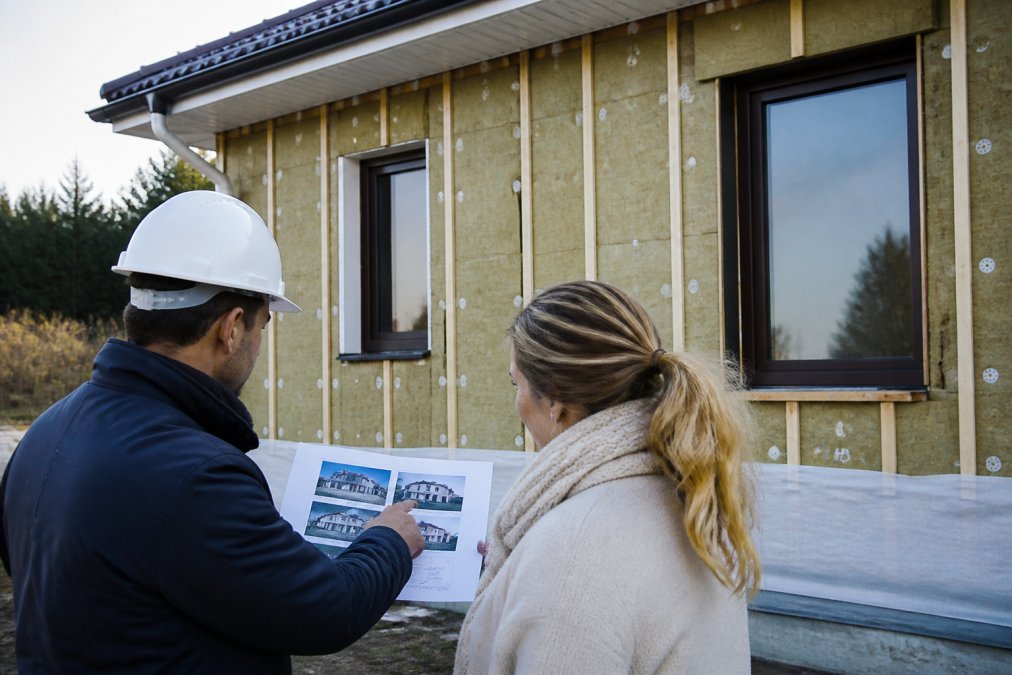
Contractor selection is critical. You need someone with deep energy retrofit experience, not just general renovation skills. Look for contractors with Red Seal certification, experience with heat pump installation, and familiarity with building envelope science. References from past retrofit projects matter more than general renovation portfolios.
At Timeless General Contracting, we work with homeowners to develop multi-year retrofit roadmaps aligned with their budget and priorities. Our 25 years of experience and Red Seal certification mean we understand the technical complexity of deep retrofit work. Our Client Project Portal keeps you informed throughout each phase, so you see progress in real time and can make informed decisions about next steps.
When selecting a contractor, ask about their energy retrofit experience specifically, their approach to phasing work, and how they'll track performance and savings. A contractor who can articulate a clear retrofit strategy and communicate progress transparently is worth the premium over cheaper bids from generalists.
Deep energy retrofit work represents one of the most significant investments a homeowner can make, but also one of the most impactful for long-term energy independence and carbon reduction. The cost of deep energy retrofit in Canada varies widely based on home size, retrofit depth, and regional labor costs, but the long-term operational savings and incentive funding available make it financially viable for many homeowners. Work with a qualified, experienced contractor like Timeless General Contracting who understands retrofit strategy, can coordinate complex systems integration, and will keep you informed throughout the process. Our Red Seal certification and real-time project tracking ensure your retrofit is managed professionally from start to finish, with transparent communication every step of the way.
Frequently Asked Questions
What is a deep energy retrofit?
A deep energy retrofit is a comprehensive upgrade that significantly improves a home's energy performance through multiple integrated measures. This includes building envelope improvements like insulation and air sealing, HVAC electrification with heat pumps, window replacement, and often renewable energy integration. The goal is to reduce energy consumption by 50% or more and lower carbon emissions substantially. Deep retrofits differ from standard renovations by targeting the entire building system rather than isolated upgrades.
How much does a home energy audit cost?
A professional home energy audit typically costs between $300 and $800, depending on your home's size and complexity. This assessment identifies energy losses, thermal bridging issues, and inefficiencies in your building envelope and HVAC systems. The audit results guide your retrofit strategy and help prioritize improvements. Many homeowners find this investment worthwhile because it reveals exactly where energy is being wasted and which upgrades will deliver the greatest savings.
What financial support is available through the Canada Greener Homes Grant?
The Canada Greener Homes Grant provides rebates up to $5,000 for eligible energy efficiency upgrades, including insulation, air sealing, heat pump installation, and window replacement. To qualify, you must complete an energy audit before and after your retrofit work. The grant covers 50% of eligible costs up to the maximum. This federal support significantly reduces your upfront capital costs and accelerates your return on investment for deep energy retrofit projects.
How much can I save on energy bills after a deep energy retrofit?
Most homeowners see operational savings of 40-60% on heating and cooling costs after a deep retrofit, depending on the measures completed and your climate. In colder regions, heat pump electrification and building envelope upgrades typically deliver the largest savings. Actual savings depend on your current energy intensity, retrofit depth, and local energy rates. Combined with incentives like the Canada Greener Homes Grant, many retrofits pay for themselves within 10-15 years through energy savings alone.
What is the difference between a standard renovation and a deep energy retrofit?
A standard renovation typically addresses visible wear or layout changes without prioritizing energy performance. A deep energy retrofit takes a holistic, systems-based approach focused on building performance and decarbonization. Deep retrofits involve comprehensive energy modelling, address thermal bridging, upgrade the entire building envelope, electrify heating systems, and often integrate renewable energy. While standard renovations may improve one or two systems, deep retrofits achieve 50%+ energy reductions through coordinated, integrated improvements.
This article was written using GrandRanker